A modular approach to spring style that relies on repeatable formulas and high-quality anchors to navigate unpredictable temperatures with ease.
The arrival of April usually brings a specific kind of morning friction. It is the season of the forty-degree commute and the sixty-five-degree lunch hour, a meteorological gap that often leads to over-complicated outfits or the frustration of being perpetually under-dressed. There is a quiet psychological relief in the personal uniform—a reliable, rhythmic approach to dressing that removes the need for daily reinvention.
Moving through a transitional season requires a shift in perspective. Instead of viewing the wardrobe as a collection of individual items, it is more effective to see it as a series of modular systems. These formulas do not rely on the novelty of a new purchase; rather, they depend on the structural integrity of a few well-chosen anchors. By identifying these heavy-rotation pieces—the relaxed chino, the crisp midi skirt, or the mid-weight cotton knit—we can create a template that works regardless of the day’s specific forecast.
The goal is a wardrobe that feels intentional and seamless. Here are five repeatable formulas designed to bridge the gap between winter’s weight and summer’s ease.
1. The Mid-Weight Cotton Knit and Straight-Leg Denim
This is the foundational system for a reason. While wool feels too restrictive as the light changes, a high-quality cotton knit provides enough substance for a cool morning without retaining excessive heat in the afternoon. The texture of the knit is the primary focus here; look for a rib or a shaker stitch that offers visual depth.
Pair this with straight-leg denim in a classic wash. The silhouette should be clean—neither too tight nor overly baggy—allowing the knit to be the centerpiece. A leather loafer or a structured ballet flat finishes the look. It is a formula that feels grounded and practical, suitable for most professional or social environments that don’t require formal tailoring.
2. The Oversized Button-Down and Tailored Shorts
As the warmer days begin to outnumber the cool ones, the transition often happens from the bottom up. An oversized button-down in a crisp poplin or a linen-cotton blend offers the necessary coverage for the upper body, while tailored shorts introduce a sense of lightness.
The success of this formula lies in the proportions. A slightly larger shirt, partially tucked into a structured, mid-thigh short, creates a balanced silhouette. Avoid flimsy fabrics for the shorts; a sturdy twill or a heavy linen provides the architecture needed to keep the outfit from feeling like loungewear. This is the pivot point for warm-weather dressing, easily adjusted by rolling the sleeves or opting for a leather slide.
3. The Midi Dress and the Utility Jacket
Spring is the ideal time to reintroduce the dress, but it often requires a “third piece” to feel finished and to handle the morning chill. A midi dress in a matte fabric—think cotton voile or a light crepe—is a versatile base. The utility jacket serves as the necessary counterpoint, offering a rugged contrast to the softness of the dress.
This is a play on textures. The functional, often structured nature of a utility jacket or a light field coat anchors the fluid movement of the dress. Choose tonal colors—olive, khaki, or navy—to keep the look understated. It is a system that works as well for a weekend market as it does for a casual office, especially when paired with a clean leather sneaker or a simple mule.
4. The Tonal Set and the Leather Slide
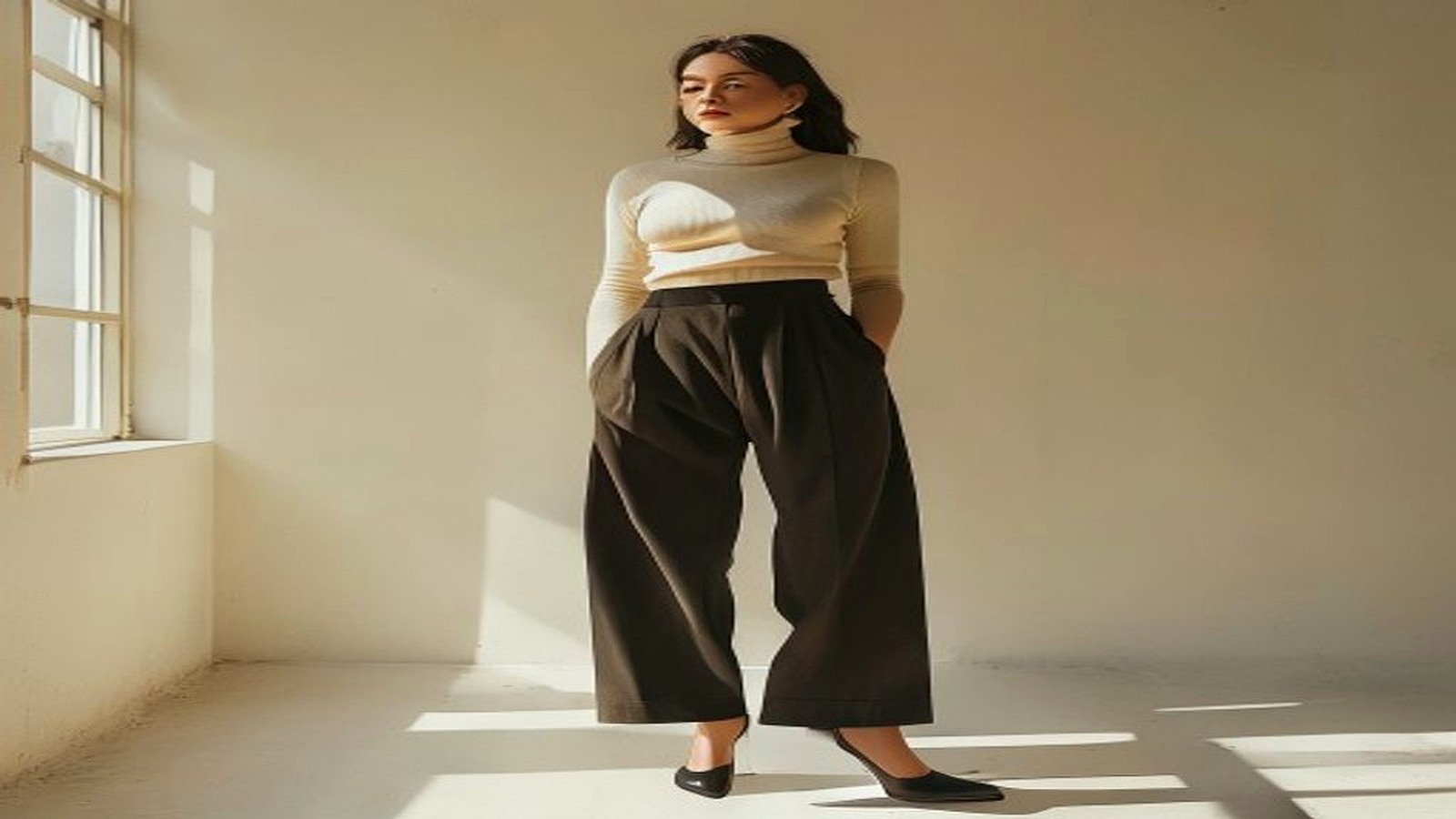
There is an inherent elegance in tonal dressing. A coordinated set—perhaps a relaxed trouser and a matching vest or a light sweater—creates a long, cohesive line that requires very little effort to assemble. When the colors are kept within the same family, such as varying shades of sand, slate, or cream, the focus shifts to the quality of the fabric and the precision of the fit.
For transitional days, a tonal set in a breathable blend allows for easy movement and temperature regulation. A leather slide provides a refined finish that feels more intentional than a standard sandal. This formula is particularly effective for those who prefer a minimalist aesthetic, as it relies on the simplicity of the silhouette rather than external ornamentation.
5. The Lightweight Trench and the Relaxed Chino
The trench coat is the ultimate spring anchor. It is the bridge between seasons, providing protection from wind and light rain without the bulk of a winter coat. Underneath, a pair of relaxed chinos in a neutral tone offers a comfortable, reliable base.
This formula emphasizes the “Spring Anchor” concept. A well-cut chino is a workhorse; it can be paired with a simple T-shirt or a refined button-down. When topped with a trench, the outfit is instantly elevated to something more considered. Footwear can vary here—a loafer for a more traditional look, or a slim leather boot if the weather is particularly damp. It is a rhythmic approach to dressing that feels timeless and entirely practical.
The Logic of the Rotation
Adopting these five formulas is not about limiting choice, but about creating a framework for ease. By rotating these systems, you can move through a full month of transitional weather without the fatigue of decision-making.
The focus remains on the “Third Piece” rule—using that extra layer, whether it is a light knit or a utility jacket, to manage the temperature fluctuations of April. When the foundation of the wardrobe is built on these repeatable systems, getting dressed becomes less about chasing a specific look and more about the quiet satisfaction of a well-ordered life.