
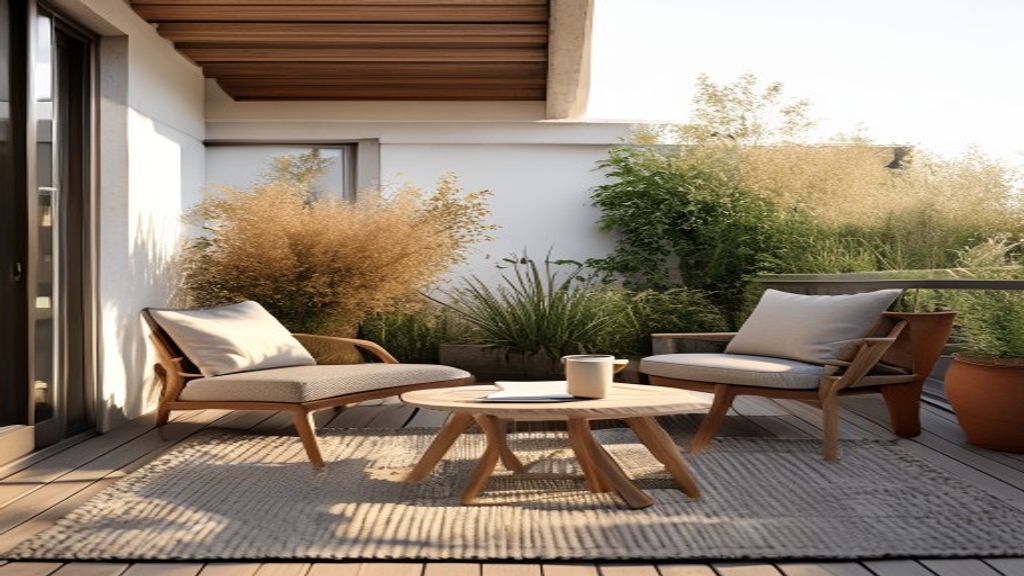
The best patios and balconies start with function: clearer layouts, durable materials, and a few quiet decisions that make the space easier to use every day.
The outdoor spaces that get used most are rarely the ones with the most furniture or the most styling. They are the ones that feel easy to return to: a chair that catches the morning light, a table that is actually close enough to set something down, and a layout that makes the whole area feel calmer instead of busier.
That is why a better patio, balcony, or small backyard usually starts with function rather than decoration. Before adding cushions, lanterns, or planters, it helps to decide what the space needs to do most often. Once that is clear, the rest of the decisions become more useful — and usually more attractive too.
Start with the job of the space
The first question is simple: what should this outdoor area support on an ordinary day? For some homes, it is a place for coffee and reading. For others, it is a compact dining setup, a quiet work corner, or somewhere to sit for half an hour at the end of the day.
Small spaces struggle when they are asked to do everything at once. A narrow balcony crowded with extra seating, oversized planters, and decorative side pieces can feel more stressful than inviting. It usually works better to choose one primary use and one secondary use, then leave enough breathing room for movement. If a chair can be pulled out comfortably and a door can still open without friction, the space will feel more considered immediately.
Choose materials that age well
Once the layout has a purpose, material becomes the next important decision. Outdoor furniture has to withstand sun, moisture, dust, and repeated use, so the pieces that matter most should feel durable before they feel decorative.
Teak remains popular for good reason. It has visual weight, holds up well outdoors, and ages into a softer silver tone that often looks better over time than it did on day one. Powder-coated aluminum works differently, but just as well for many homes. It is lighter in both weight and appearance, easier to move, and especially useful on balconies or patios where bulky furniture can make the whole area feel crowded.
If the decision is between the two, teak usually makes more sense when you want warmth, permanence, and a slightly more grounded look. Aluminum tends to be the better option when you want low maintenance, cleaner lines, and less visual heaviness. Neither choice needs a full matching set around it. In fact, most outdoor spaces look better when the furniture feels edited rather than bought in a bundle.
The same editing mindset is useful indoors too. If the next pressure point is small-space overflow, start with our guide to under-bed storage for small apartments. If the problem is keeping a daily beauty setup contained without crowding the counter, our guide to the best makeup organizers for small vanities is the cleaner next step.
Use textiles to define the zone
Soft layers matter outdoors, but they work best when they do something practical. A rug helps define a seating area on stone, decking, or concrete. Seat cushions make a chair worth using for longer than ten minutes. A throw stored nearby can extend the season without turning the space into a styling exercise.
The most useful outdoor textiles are the ones that can handle real life. Performance fabrics and simple flatweave rugs tend to hold up better than anything too delicate, and they usually look calmer too. Neutral tones, faded greens, warm whites, charcoal, sand, or muted blue often give enough variation without making the space feel busy. One rug with presence and a few well-made cushions will usually do more than a collection of smaller decorative extras.
Let greenery do practical work
Plants are often treated as the finishing touch, but in a good outdoor setup they help solve problems. They soften hard edges, create a little privacy, and make the area feel settled. On a small balcony, one or two larger planters usually work better than a scatter of tiny pots. They feel more intentional and create stronger shape around the furniture.
Low-maintenance greenery is usually the right move here. Herbs, grasses, trailing plants, or a few hardy shrubs can add softness without turning the space into a high-maintenance project. The goal is not to create a miniature garden center. It is to bring in enough living texture that the wood, stone, and metal around it feel less stark.
Finish with light and surfaces that extend use
The last layer is often what determines whether an outdoor space is simply attractive or actually useful. A small side table, a compact coffee table, or even one sturdy stool can make a seating area function properly. These details are easy to overlook, but they are the difference between a setup that looks finished and one that supports daily habits.
Lighting matters in the same way. Harsh overhead brightness rarely makes an outdoor area feel better. Lower, warmer light tends to be more useful and more flattering. A rechargeable lamp on a table, a lantern near a chair, or a few subtle lights along a path can make the space feel comfortable after sunset without tipping into resort-style cliché.
FAQ
What is the best low-maintenance material for outdoor furniture?
Powder-coated aluminum is usually the easiest low-maintenance choice because it is light, durable, and simple to move or clean. Teak is also long-lasting, but it asks for a little more tolerance for natural aging and visual change over time.
How much clearance should you leave around outdoor seating?
As a practical rule, leave enough space that a chair can pull out comfortably and someone can still move through the area without friction. On small patios and balconies, circulation matters more than squeezing in one more piece.
What are the benefits of powder-coated aluminum furniture?
It keeps the look lighter, handles weather well, and tends to suit balconies or patios where bulky furniture would make the whole setup feel crowded. It is especially useful when you want cleaner lines and less visual weight.
How do you define zones on a small patio or balcony?
Choose one main job for the space first, then use a rug, one small table, or one larger planter to anchor that zone. Small outdoor areas work better when they feel edited and intentional rather than divided into too many mini-scenes.
A better outdoor space does not have to be elaborate. It just has to make sense. Start with a clear purpose, choose materials that can handle weather and repetition, then add softness, greenery, and light in measured layers. Even a modest balcony or patio can feel calm, polished, and genuinely useful when the decisions behind it are quiet and practical.