
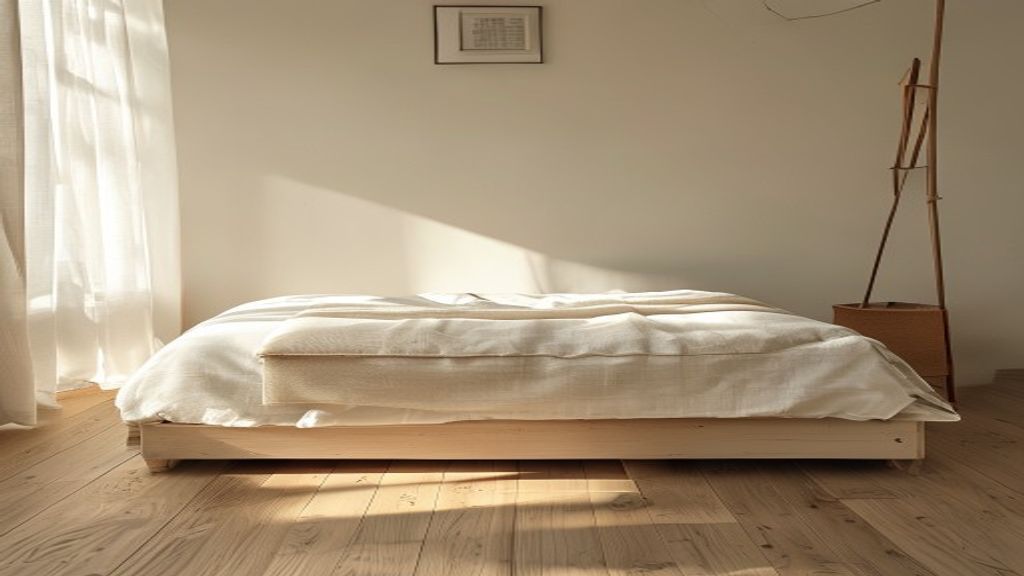
The right under-bed storage starts with one question: how much space do you actually have? Once clearance is clear, it becomes much easier to choose between rigid bins, soft bags, rolling drawers, and vacuum storage that will actually work.
In a small apartment, the space beneath the bed is often the closest thing to an extra closet. It is also one of the easiest places to waste money. Under-bed storage sounds simple until the bin is slightly too tall, the wheels catch on a rug, or a soft bag turns everything inside dusty by the end of the season.
The best under-bed storage is not just about buying the flattest container you can find. It is about matching the format to the height of the bed, the kind of items you are storing, and how often you need to reach for them. A good setup should feel easy to use repeatedly, not like a backup system you avoid because it is awkward.
Measure the true clearance first
Before choosing a single storage box or bag, measure the distance from the floor to the lowest usable point of the bed. That usually means the underside of the frame, the center support, or the edge of a hanging bed base rather than the prettiest part of the side rail.
This matters more than people expect. A bed that appears to have ten inches of clearance may offer less once a rug, slats, support legs, or uneven flooring are taken into account. If you want a low-friction rule, leave a little margin rather than buying to the absolute listed height. A container that technically fits but scrapes every time you pull it out is rarely the right choice.
For low-profile beds, soft-sided bags or very shallow trays are usually the safest option. If the bed sits higher, rigid bins and wheeled formats become much more useful.
Choose the format by what you are storing
There is no single best under-bed storage type for everything. The right choice changes depending on whether you are storing bedding, shoes, seasonal clothing, or items you only touch a few times a year.
Rigid plastic bins work best when dust protection and structure matter most. They are useful for shoes, accessories, folded denim, or anything you do not want crushed. Clear versions are especially practical because you can see what is inside without pulling every container out.
Soft fabric bags are usually better for off-season clothing, extra linens, or anything slightly bulky but compressible. They are easier to slide into shallow gaps, and they tend to work better for natural fibers that benefit from a little breathability.
Rolling drawers or wheeled bins make sense when you access the contents more often. They are helpful for everyday shoes, gym gear, or spare household items that would otherwise live in plain sight. On hard flooring, they are especially convenient. On thicker carpets, they can be less smooth than they look in product photos.
Vacuum bags are useful when volume is the main problem, particularly for guest bedding, winter duvets, or bulky puffer jackets. They should be treated as a space-saving tool rather than the default for everything. They are efficient, but they are not ideal for every textile long term.
Decide between rigid bins and soft bags
For most apartments, the real decision is not between ten similar products. It is between rigid plastic and soft fabric.
Choose rigid plastic if you want better protection, cleaner stacking, and easier visibility. It is usually the stronger option for items that are heavy, dusty, oddly shaped, or likely to be forgotten if they are hidden completely.
Choose soft fabric if bed clearance is tight or the contents are mostly textiles. Fabric bags are more forgiving in shallow spaces, and they are often easier to store under beds with less room to maneuver.
A practical shortcut looks like this:
- use clear rigid bins for shoes, bags, accessories, and mixed household extras
- use soft zip bags for sweaters, spare linens, and lighter seasonal clothing
- use wheeled bins when you need frequent access
- use vacuum storage selectively for bulky bedding or outerwear
Quick picks by use case
If you want one compact shopping shortcut, compare the format first instead of chasing the prettiest bin. These retailer search pages are the fastest way to compare current sizes, lid styles, and price ranges.
- Best for shoes and household extras: clear under-bed storage bins
- Best for spare linens and off-season clothing: soft fabric under-bed storage bags
- Best for frequent access: wheeled under-bed storage
- Best for bulky bedding: vacuum storage bags for bedding
Think about daily use, not just storage volume
A large bin may look efficient on paper, but under-bed storage only works if it is easy to pull out, open, and put back. That is why handles, wheels, zipper design, and visibility matter almost as much as capacity.
If you know the container will be opened often, prioritize a design with a clean pull handle or wheels that can survive repeated use. If the contents are truly seasonal, you can optimize more for capacity and dust protection. The mistake is treating all under-bed storage like long-term archive space when some of it is really overflow that needs to stay usable.
Labeling also helps more than it sounds. Even clear bins become harder to read once they are low to the ground and partially shaded. A simple outward-facing label can save time and stop the cycle of buying duplicate storage because the original contents disappeared from memory.
Protect what you store
Dust, moisture, and airflow are not glamorous topics, but they are what make under-bed storage feel either smart or disappointing six months later.
Plastic is usually better when you want a stronger barrier against dust or humidity. Fabric is better when the contents need a little more airflow, especially if you are storing natural fibers. Vacuum bags reduce volume dramatically, but they can be rough on some materials if everything stays compressed indefinitely.
For bedding and clothes, the ideal choice is not the most extreme one. It is the one that protects the contents well enough while still making them easy to retrieve when the season changes.
The best under-bed storage setup for a small apartment
A good apartment setup usually includes more than one format rather than one giant matching set. A shallow fabric bag for sweaters, one clear rigid bin for shoes, and one protected storage bag for spare bedding will often work better than buying four identical containers and forcing everything into them.
That is also the point where the article becomes more useful than a roundup. The goal is not to buy the most storage. It is to choose the right amount of storage in the right form. When under-bed space is measured properly and used with intention, it becomes one of the calmest ways to make a small home feel more functional.
If the next problem is countertop overflow rather than hidden storage, our guide to the best makeup organizers for small vanities applies the same small-space logic to a daily beauty setup.