

If there is no room for a real nightstand, the best dorm bedside setup is a small system: one movable cart, one hanging caddy, under-bed overflow, door storage, and a laundry zone that keeps the floor clear.
A dorm bed still needs a landing zone even when the room has no space for a proper nightstand. Glasses, chargers, lip balm, a water bottle, headphones, medication, snacks, and the book you swear you are going to read all need somewhere to go.
See the no-nightstand storage picks before you choose
Disclosure: these are site-controlled shopping links. Everyday Edit may earn a commission where affiliate tracking is available, at no extra cost to you.
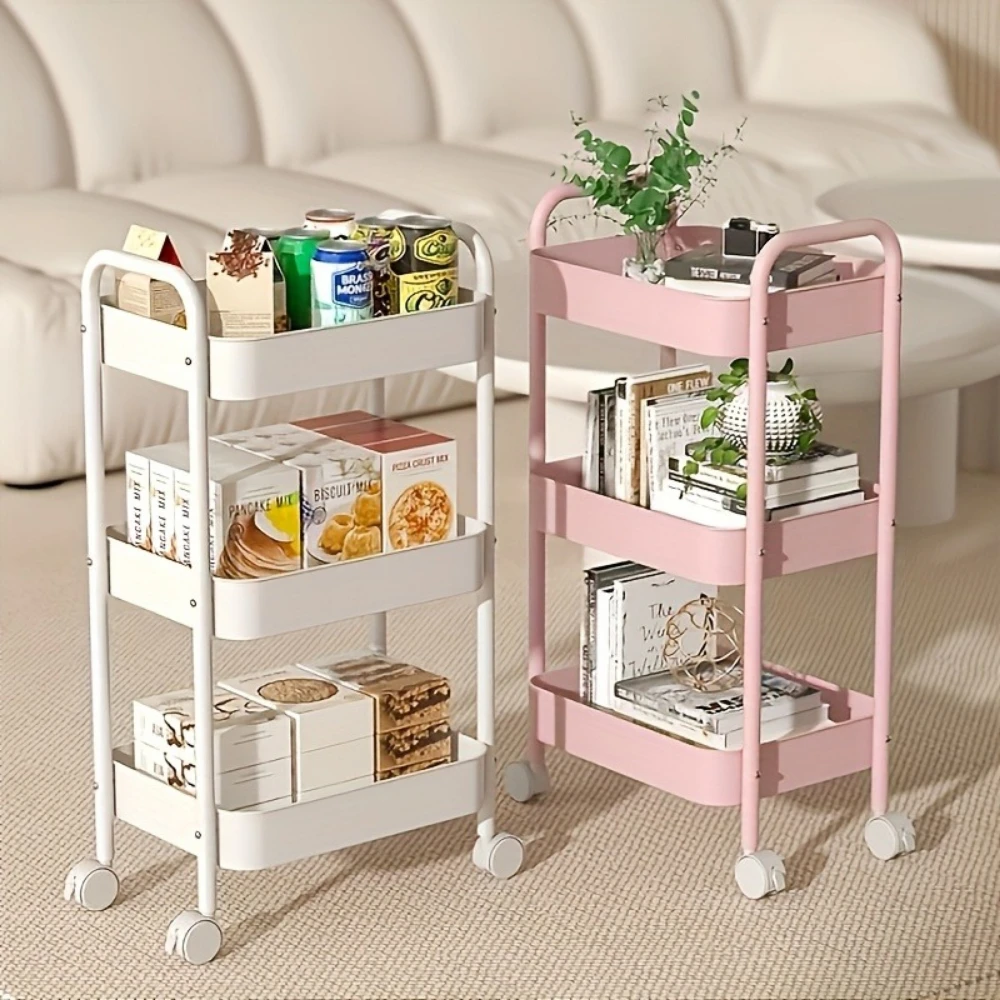
Three-tier rolling cart
A movable bedside surface for water, chargers, snacks, books, and desk overflow.
Shop via AliExpress
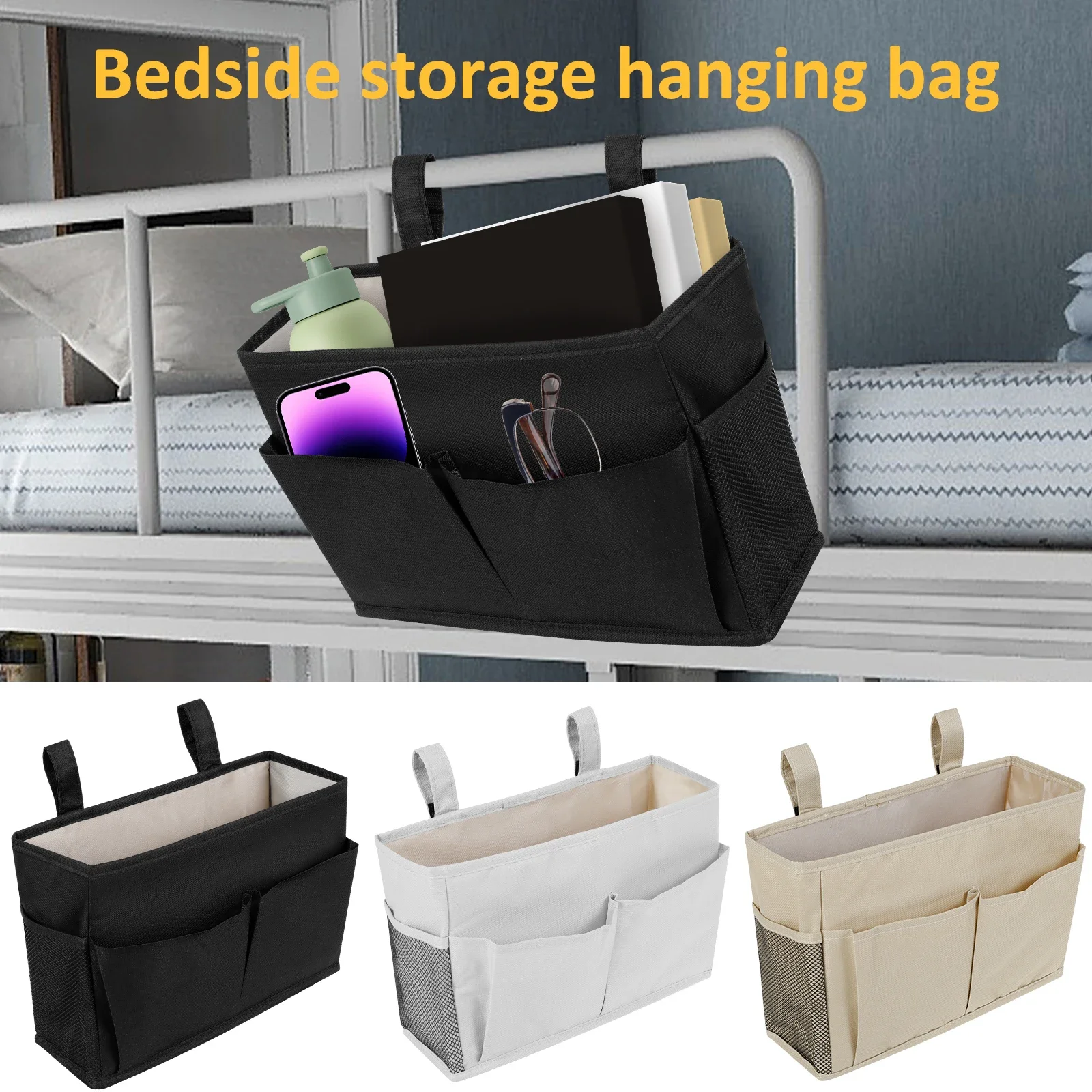
Bedside hanging caddy
A small reach-from-bed pocket for cords, earbuds, balm, glasses, and a notebook.
Shop via AliExpress
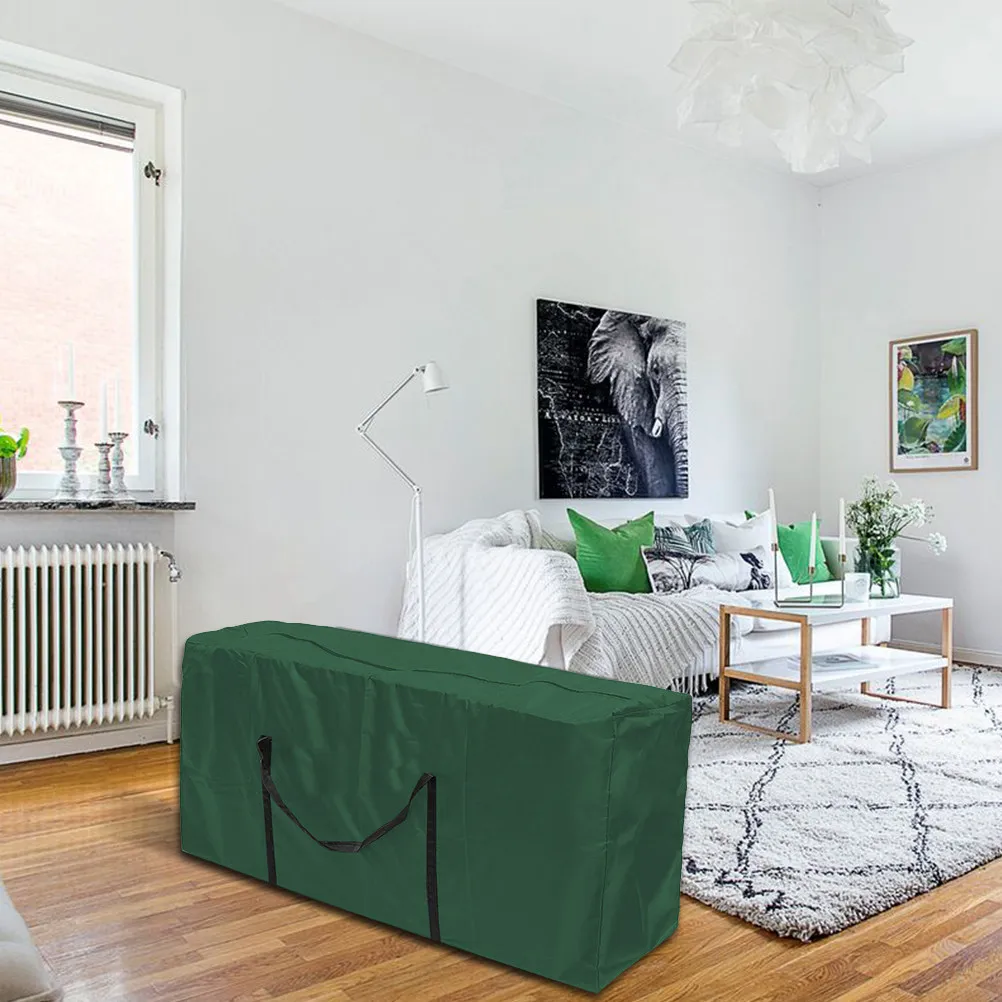
Under-bed storage bags
A hidden overflow zone for bedding, towels, off-season clothes, and backup supplies.
Shop via AliExpress
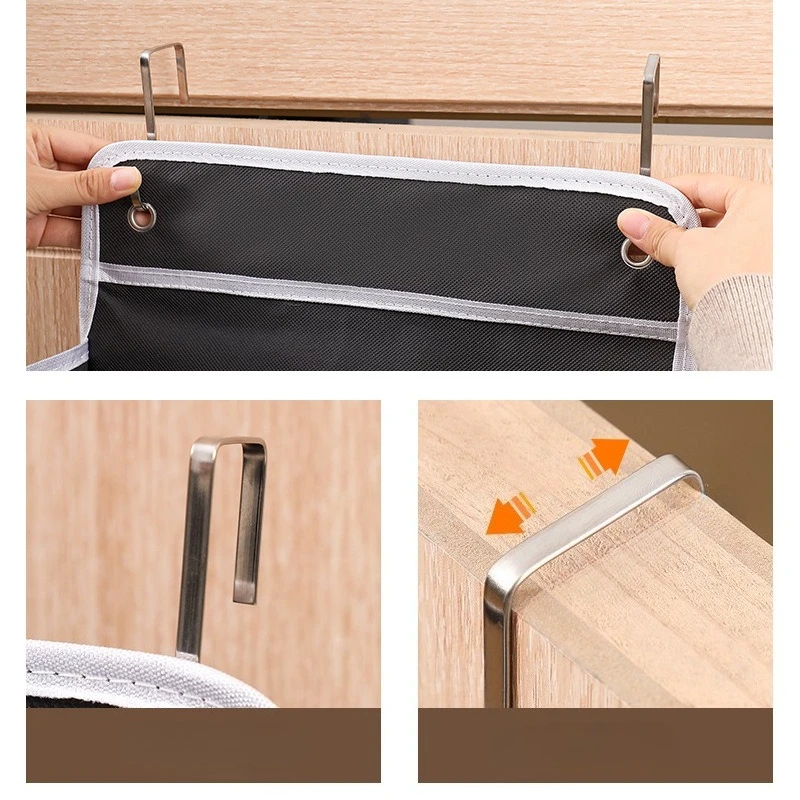
Over-door dorm organizer
A vertical storage lane for shoes, bathroom extras, accessories, and small overflow.
Shop via AliExpress
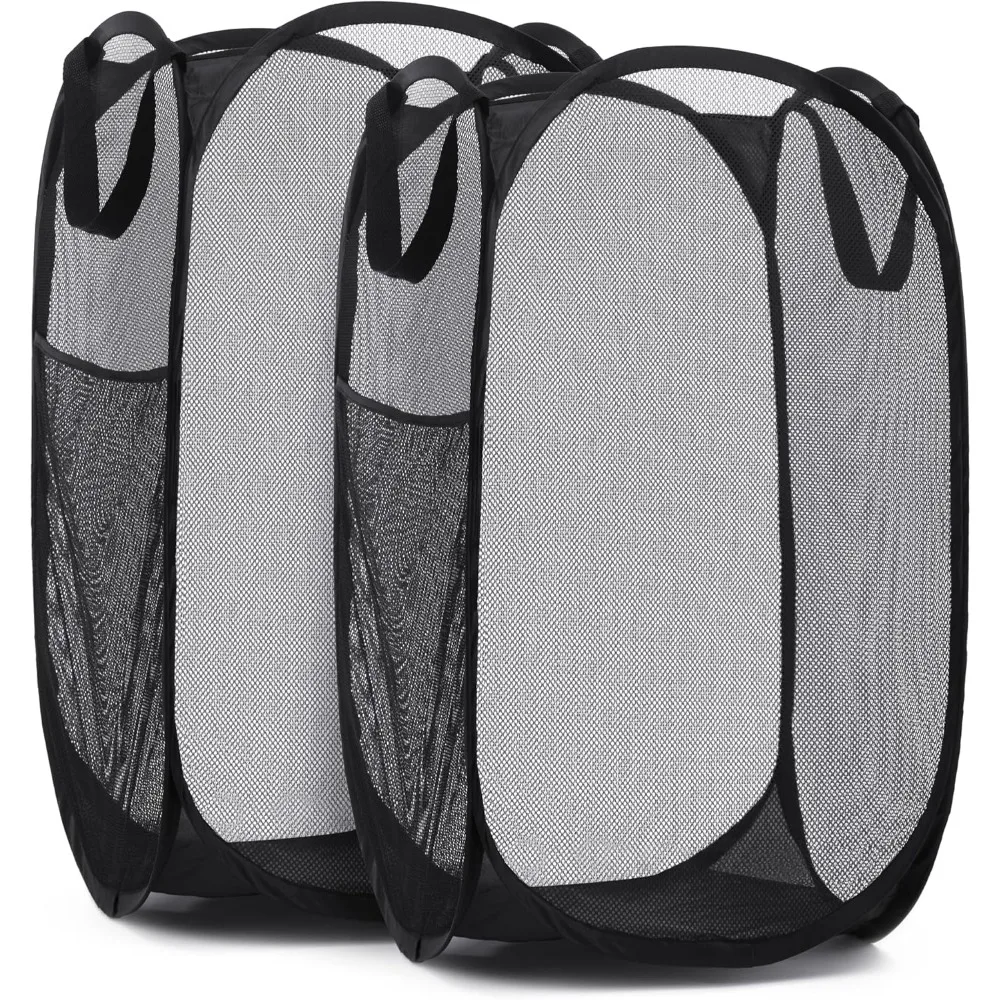
Collapsible laundry hamper
A simple laundry zone that keeps clothes from becoming the room’s extra furniture.
Shop via AliExpress
The problem is that a normal bedside table can steal the exact floor space you need for a desk chair, laundry basket, mini fridge, or walking path. In a small dorm room, I would solve the bedside area with pieces that do more than one job:
- a three-tier rolling cart for the things that move between bed and desk;
- a bedside hanging caddy for tiny items you reach for from bed;
- under-bed storage bags for backup bedding and off-season clothes;
- an over-door organizer for overflow that should not live on the floor;
- a collapsible laundry hamper so clothes do not become the default storage system.
The goal is not to make the room look perfectly styled. It is to keep the items you use every day reachable without building a furniture wall beside the bed.
Start with a three-tier rolling cart if you need a movable surface
A rolling cart is the closest substitute for a nightstand because it gives you vertical storage without committing to one fixed spot. It can sit beside the bed at night, move next to the desk during the day, or become a snack and toiletry station when the room needs a reset.
The best way to use it is by tier. Keep the top shelf for the items you touch daily: water, glasses, charger, book, medication, or headphones. Use the middle shelf for items that need to stay nearby but not visible on the bed. Keep heavier or bulkier things on the bottom so the cart feels stable.
Avoid turning all three levels into miscellaneous bins. A cart helps only when each level has a clear job.
Use a bedside hanging caddy for the tiny things
A bedside hanging caddy is useful when the bed frame, lofted bed, or mattress edge can support it. It is not glamorous, but it solves the exact problem that makes a dorm feel messy: the small items that fall between the wall and the mattress.
Use it for the things that do not need a full shelf: charging cord, earbuds, lip balm, hand cream, eye mask, remote, notebook, or a few pens. If the caddy starts holding snacks, textbooks, hair tools, and random mail, it will sag and become harder to use.
Check the attachment style before buying. Some caddies tuck under the mattress, some hang from a rail, and some strap around a bed frame. The right one depends on the actual bed you get, not the product photo.
Move backup bedding and off-season clothes under the bed
Under-bed storage is what keeps the bedside area from becoming a pileup. Extra sheets, spare towels, sweatshirts, shower shoes, and backup toiletries do not need to be visible every day. They just need to be reachable when you need them.
Soft storage bags are usually easier than rigid bins in a dorm because they can slide into awkward gaps and collapse when empty. If the bed is lofted or raised, measure the clearance before buying. If the bed is low, look for shallow bags with handles so you are not wrestling with a box every time you need a towel.
Do not store daily essentials under the bed unless you enjoy crawling for them. Use that space for backup inventory, not morning routine items.
Use an over-door dorm organizer for overflow
The back of the door is valuable because it gives you storage without using the floor. An over-door dorm organizer can hold shoes, accessories, shower extras, cleaning cloths, small bags, or the products that would otherwise spread across the desk.
The trick is to assign categories. One row can be bathroom items, one row can be accessories, and one row can be cleaning or laundry extras. If every pocket becomes a random hiding place, you have only moved the clutter from the floor to the door.
Before buying, check the hook thickness. Dorm doors can be tight, and a bulky hook can keep the door from closing cleanly.
Keep laundry contained before it becomes furniture
Laundry is the silent reason a small room looks crowded. If there is no clear hamper, the floor becomes the hamper. Then the chair becomes the hamper. Then the bed becomes the sorting station.
A collapsible hamper works well when the room has no permanent open corner. A tall narrow hamper works better when there is one clean vertical spot near the closet or door. Handles matter more than the prettiness of the fabric, especially if the laundry room is down the hall or in another building.
Choose an open-top hamper if you need the lowest-friction option. A lid can look neater, but it also adds one more step when you are tired.
What not to buy first
Do not start with a cube organizer unless you know exactly where it will fit. Cube units can be useful, but they take up real floor space and can make a tiny room feel like a storage aisle.
Also skip decorative boxes until the functional pieces are covered. Matching bins are nice, but they do not solve the bedside problem if your charger, water bottle, laundry, and backup bedding still have no obvious homes.
If you are tempted by a cute mini nightstand, measure the walking path first. A small table that blocks the route between the bed and desk will feel annoying within a week.
How to choose the right no-nightstand setup
If you need reach from bed, prioritize the hanging caddy. If you need a surface that moves, choose the rolling cart. If the room lacks closet space, solve under-bed storage before buying more decorative organizers. If daily mess lands on the floor, add the door organizer and hamper first.
The right setup may use all five pieces, but it does not need to be complicated. The point is to separate the jobs: bedside reach, movable surface, hidden overflow, vertical storage, and laundry containment.
The bottom line
A dorm room without a nightstand can still work well if the bedside area has a system. Use a rolling cart for flexible surface space, a hanging caddy for tiny reach-from-bed items, under-bed bags for backup storage, an over-door organizer for overflow, and a collapsible hamper to keep laundry off the floor.
The best dorm storage is not the one with the most containers. It is the one that makes the daily reset obvious.