

A small dorm room gets messy fast when everything has only one landing spot. Start with four practical storage zones: a rolling cart, under-bed bags, an over-door organizer, and a laundry hamper that can collapse when it is not full.
The best dorm storage setup is not the one with the most bins. It is the one that gives the daily mess somewhere obvious to go before the room starts feeling crowded.
See the dorm storage picks before you choose
Disclosure: these are site-controlled shopping links. Everyday Edit may earn a commission where affiliate tracking is available, at no extra cost to you.
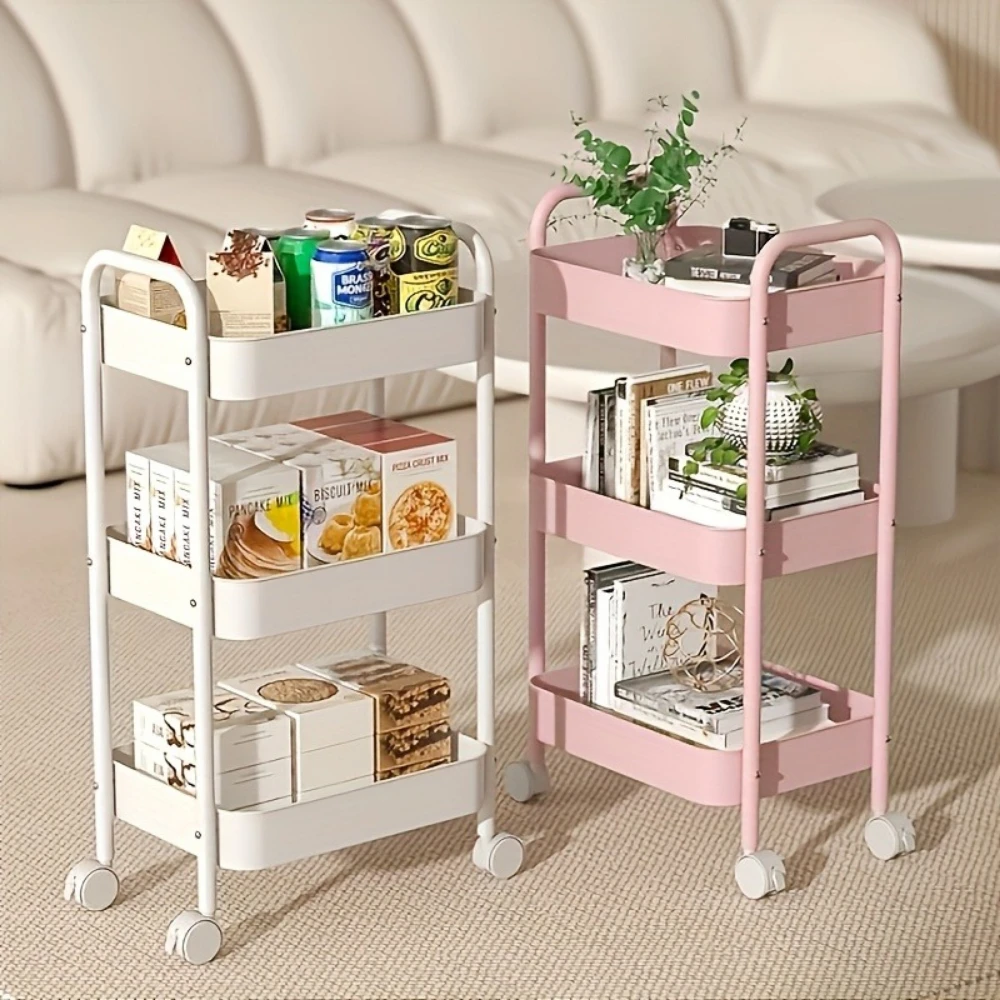
Three-tier rolling cart
A movable storage zone for snacks, toiletries, school supplies, or the items that shift between desk and bed.
Shop via AliExpress
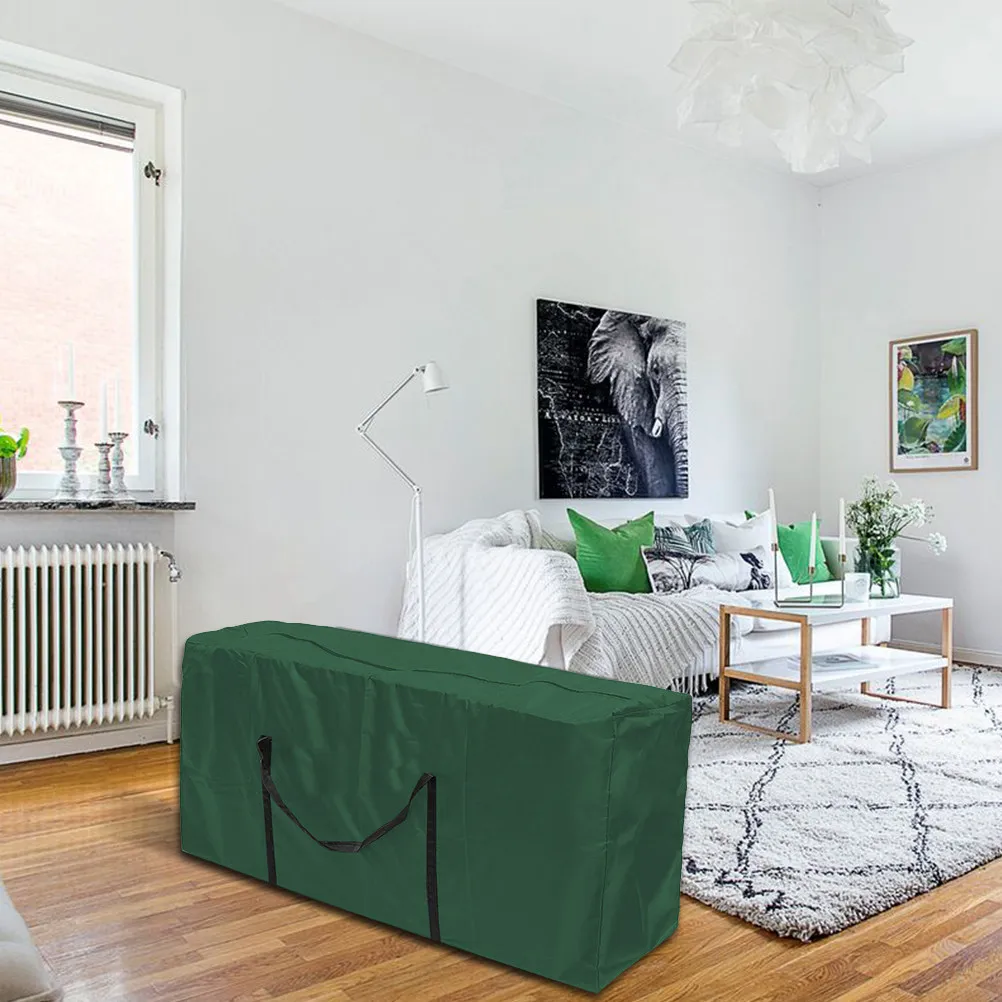
Under-bed storage bags
A hidden overflow zone for bedding, off-season clothes, extra towels, and backup supplies.
Shop via AliExpress
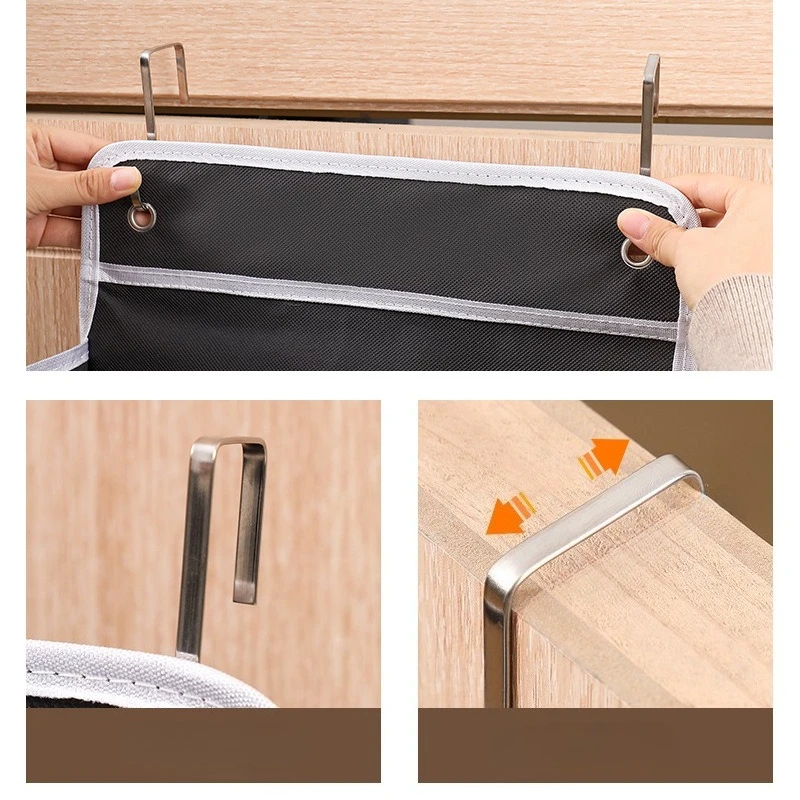
Over-door dorm organizer
A vertical storage lane for shoes, shower products, accessories, cleaning extras, or small bags.
Shop via AliExpress
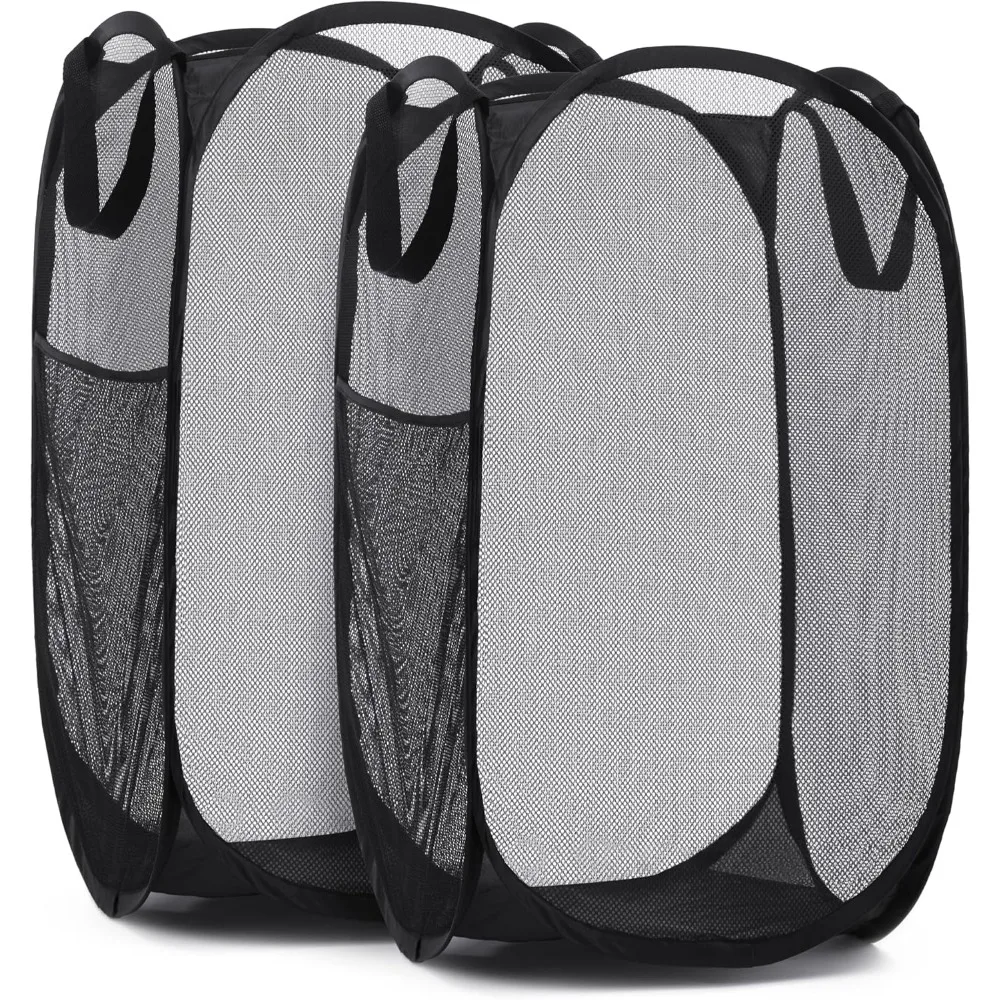
Collapsible laundry hamper
A simple laundry zone that can stand in a corner or collapse when the room needs breathing space.
Shop via AliExpress
For most small dorm rooms, I would set up these four zones first:
1. Three-tier rolling cart 2. Under-bed storage bags 3. Over-door dorm organizer 4. Collapsible laundry hamper
That is enough structure to handle snacks, toiletries, extra sheets, shoes, cleaning supplies, laundry, and the small everyday things that usually end up on the desk or floor.
Start with one rolling cart for the items that move around
A three-tier rolling cart works because dorm rooms rarely have enough fixed storage exactly where you need it. The same cart can sit beside the desk during the week, move near the bed at night, or hold hair tools and toiletries when the bathroom is down the hall.
The trick is to give each tier a job. Keep the top for things you reach for daily, the middle for backup products or snacks, and the bottom for heavier items. If every tier becomes a random catchall, the cart stops solving the problem and becomes visible clutter on wheels.
Choose a cart with open sides if you want to see everything quickly. Choose taller side rails if the cart will hold bottles, laundry products, or anything that tips easily when the cart moves.
Use under-bed bags for the things you do not need every day
Under-bed storage is the easiest way to add capacity without adding another piece of furniture. It is best for items that need to stay accessible but not visible: extra towels, off-season clothes, spare bedding, backup toiletries, and bulky sweatshirts.
Soft storage bags are usually easier in a dorm than rigid bins because they can squeeze into awkward clearance and collapse when they are empty. Rigid bins can work if the bed is lifted high enough, but they are less forgiving when the floor is uneven or the frame has bars in the way.
Before buying, measure the actual clearance under the bed. Dorm beds vary a lot, and the product photo will not tell you whether the zipper can open once the bag is under the frame.
Put vertical dead space to work with an over-door organizer
The back of the door is one of the most useful storage surfaces in a dorm room because it does not take floor space. An over-door organizer can hold shoes, small bags, cleaning cloths, shower products, accessories, or the extra things that would otherwise pile up on the desk.
For a small room, I would avoid filling every pocket with tiny random items. Use it by category: one row for bathroom items, one row for accessories, one row for cleaning or laundry extras. The more consistent the zones are, the easier it is to reset the room in two minutes.
Check the hook thickness before buying. Some dorm doors close tightly, and a bulky hook can scrape the frame or keep the door from latching cleanly.
Choose a hamper that can collapse or stand tall in a corner
Laundry storage matters more than it seems because dirty clothes spread faster than almost anything else in a small room. A collapsible hamper is useful if you need it to tuck away between laundry days, while a tall narrow hamper works better if the room has one open corner.
Look for handles first. If the laundry room is down the hall or in another building, a hamper that is easy to carry is worth more than a prettier one. If the hamper will sit out in the room, choose a simple color and a shape that can stand upright when partly full.
A lid can make the room look calmer, but it can also make laundry less convenient. If the room tends to get messy because things are annoying to put away, an open-top hamper may be the better choice.
What not to buy first
Do not start with a giant cube organizer unless you already know exactly where it will fit. Cube units can be useful, but they are bulky, and they can make a dorm room feel more like a storage aisle than a living space.
Also skip matching decorative boxes until the functional pieces are handled. Pretty bins do not solve much if there is no plan for laundry, under-bed overflow, door storage, and daily-use items.
The better order is simple: movable cart, hidden under-bed storage, vertical door storage, and laundry containment. Once those four problems are covered, decorative bins are easier to choose because you know what is actually left.
The bottom line
If you are setting up a small dorm room quickly, start with one rolling cart, a set of under-bed bags, an over-door organizer, and a collapsible hamper. Those four zones cover the messiest parts of dorm life without requiring extra furniture or a complicated organizing system.
A small room does not need perfect storage. It needs obvious places for the things you touch every day, and quiet places for the things you do not.