

A curated guide to durable dorm essentials that prioritize sleep quality, modular organization, and shared-space utility.
The transition to a university residence hall marks a shift from a managed childhood bedroom to a self-contained living unit. Within the constraints of a shared 120-square-foot room, the priority shifts from aesthetic decoration to systemic utility. The goal is not merely to occupy the space, but to manage it. This requires moving past the disposable plastic bins of previous years toward modular, high-utility pieces that support a busy academic schedule and a high standard of rest.
See the picks before you choose
Disclosure: these are site-controlled shopping links. Everyday Edit may earn a commission where affiliate tracking is available, at no extra cost to you.
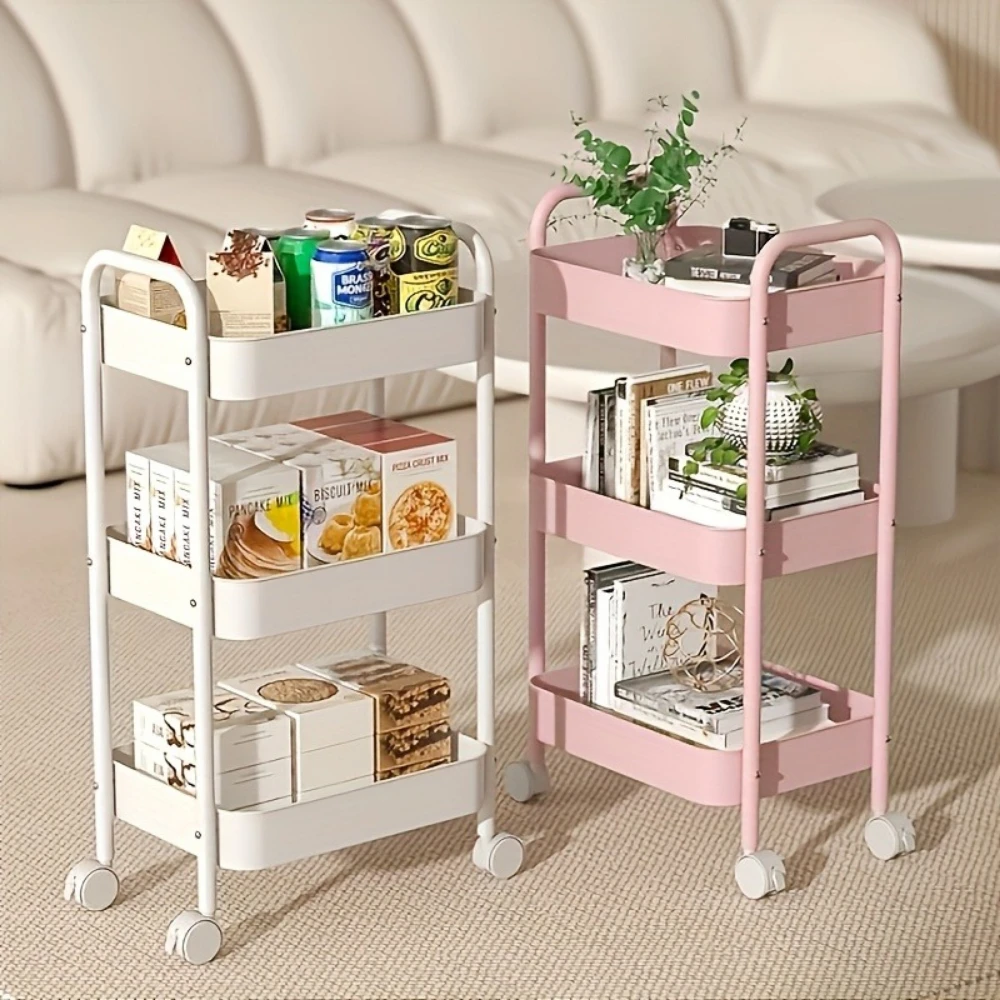
Three Tier Metal Rolling Cart
Image-backed shortcut for comparing this format before you buy.
Shop via AliExpress
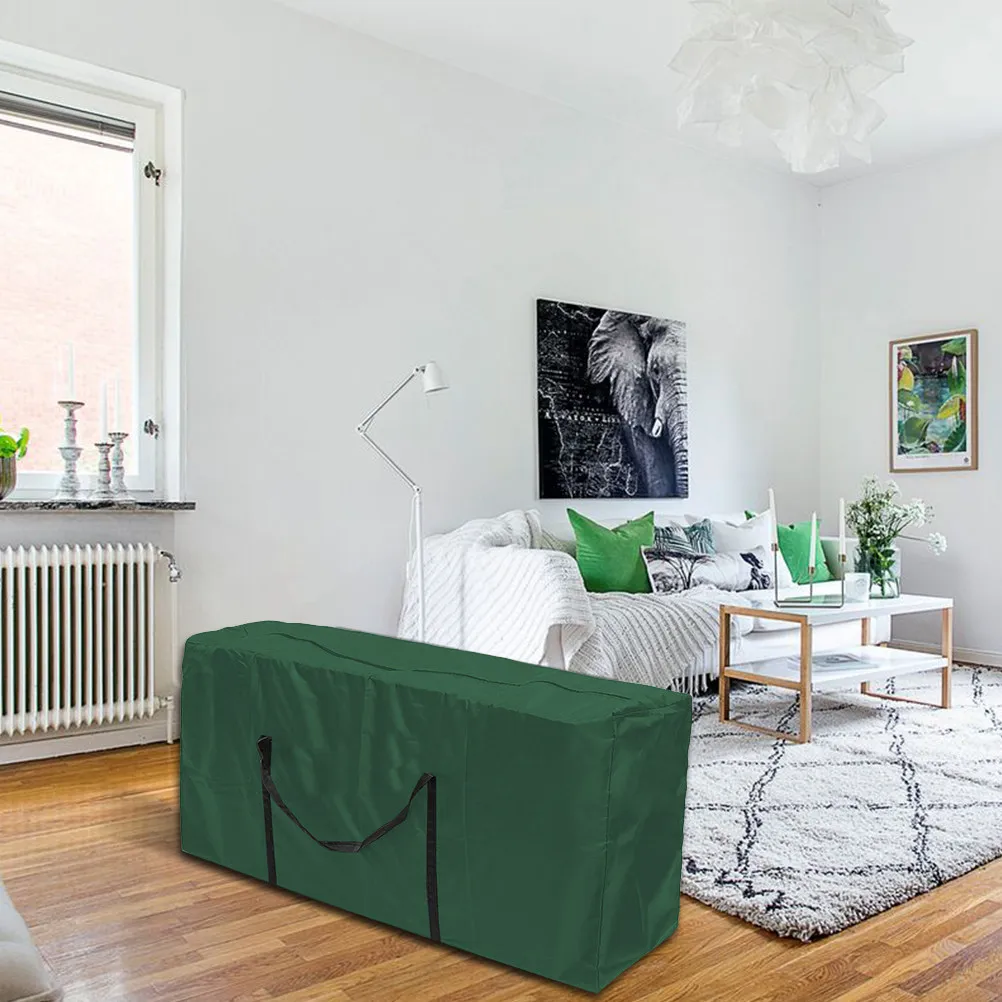
Under Bed Storage Bags Dorm
Image-backed shortcut for comparing this format before you buy.
Shop via AliExpress
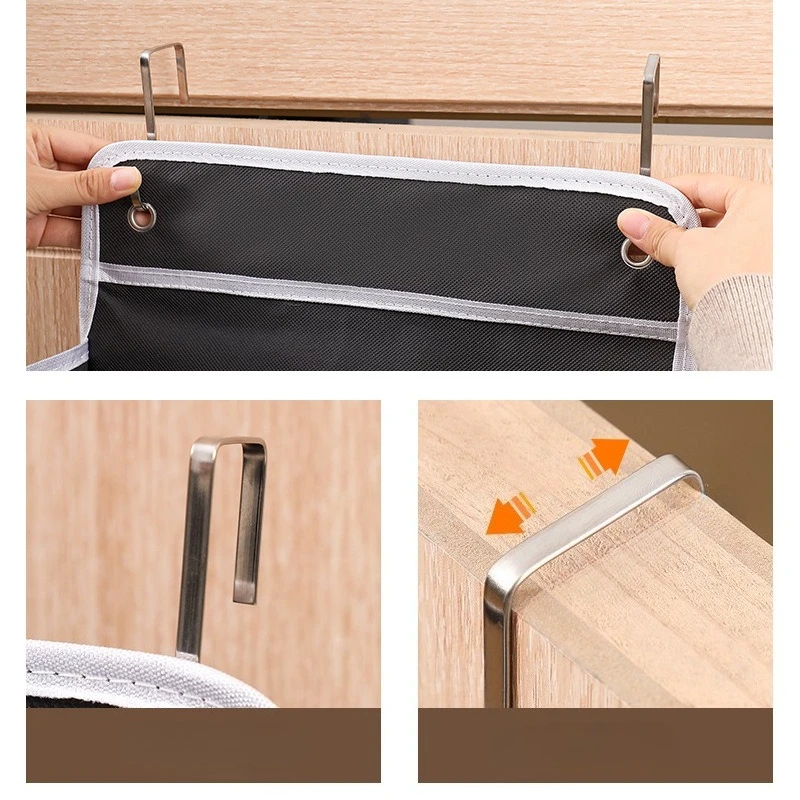
Over Door Dorm Organizer
Image-backed shortcut for comparing this format before you buy.
Shop via AliExpress
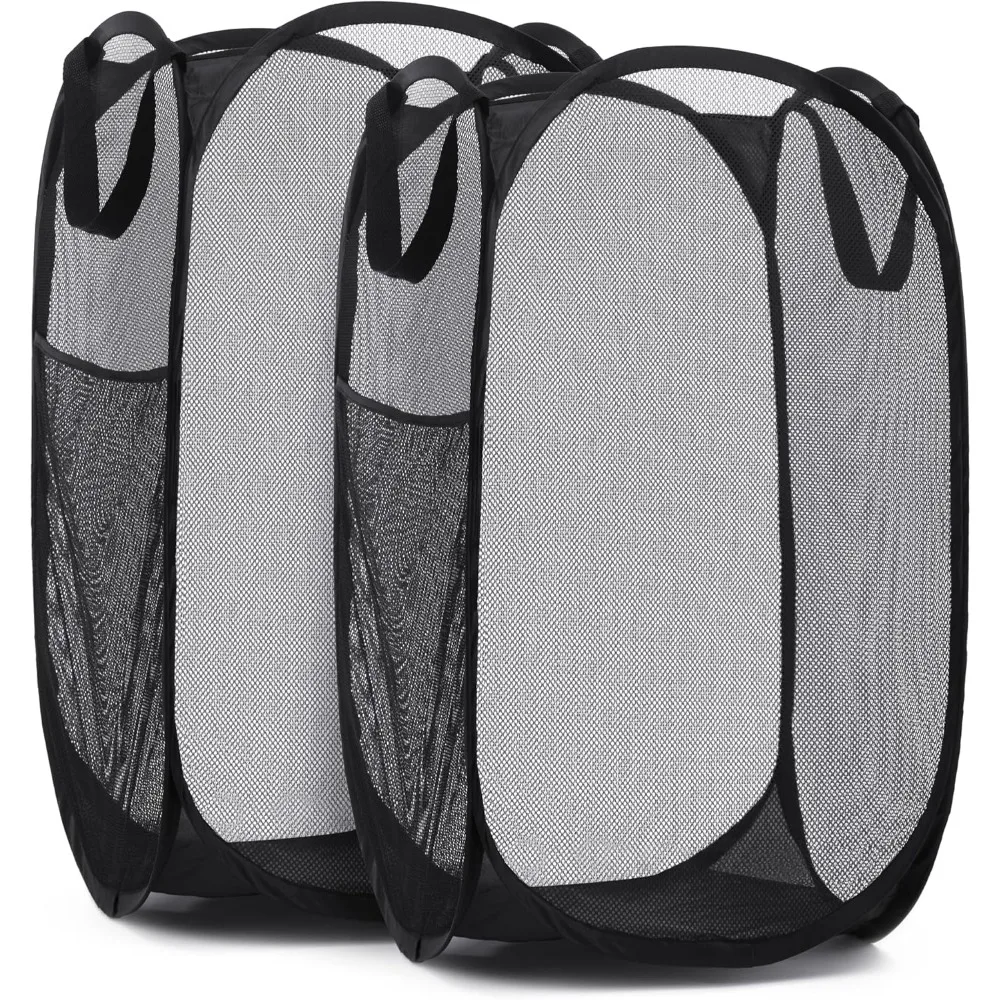
Collapsible Laundry Hamper
Image-backed shortcut for comparing this format before you buy.
Shop via AliExpress
As move-in day approaches, the most effective preparation involves identifying the bottlenecks of dorm life: poor sleep surfaces, inadequate power access, and the lack of vertical storage. The following twelve selections are focused on durability and practical performance, ensuring your room remains a functional environment rather than a cluttered transit zone.
The Sleep Foundation
1. High-Density Memory Foam Mattress Topper Standard dorm mattresses are designed for sanitization and longevity rather than comfort. They are often thin, spring-heavy, and lacking in pressure relief. A high-density memory foam topper—ideally two to three inches thick—is the most significant upgrade you can make for sleep health. Look for open-cell structures or gel-infused foam to manage heat retention, as residence halls often have inconsistent climate control. This layer provides the necessary spinal support for long nights of study and early morning lectures.
2. Waterproof and Allergen-Proof Mattress Protector A mattress protector is a non-negotiable hygiene barrier. Beyond protecting the school’s property from spills, it serves as a seal against dust mites and the accumulated environmental allergens of previous residents. Choose a version with a breathable cotton terry surface and a silent, polyurethane waterproof backing. It should offer a fully encased fit or a deep-pocketed elastic skirt that won’t shift under your topper.
Systemic Storage
3. Modular 3-Tier Metal Rolling Cart The rolling cart has become a standard because it solves the problem of shifting needs. Unlike fixed furniture, a metal cart can move from bedside table to desk-side storage or kitchen station as the semester progresses. Prioritize a steel frame over plastic for weight-bearing capacity. The three tiers allow for a clear hierarchy: frequently used items like chargers and textbooks on top, and heavier items like laundry supplies or bulk snacks on the bottom.
4. Under-Bed Compression Bins The area beneath a lofted or semi-lofted bed is the largest unused footprint in a dorm room. Standard storage bins often leave gaps that collect dust; compression bins or low-profile zippered chests maximize this volume. Look for units with clear tops to allow for quick inventory and reinforced handles for frequent sliding. These are best utilized for off-season clothing and extra linens, keeping the primary closet space clear for daily-wear items.
5. Heavy-Duty Over-the-Door Organizers Vertical space is your most valuable asset when floor space is limited. An over-the-door organizer with stiffened pockets or metal hooks provides a landing spot for shoes, umbrellas, and outerwear that otherwise ends up on the floor. Ensure the hooks are thin enough to allow the door to close fully without damaging the frame, a common issue in older residence halls.
Environment and Utility
6. Clip-On LED Reading Light Shared rooms require a careful approach to lighting etiquette. A clip-on light with an adjustable neck allows for targeted illumination that doesn’t disturb a sleeping roommate. Prioritize models with adjustable color temperatures—warm light for late-night reading and cool light for focus—and a dimming function. A sturdy clamp ensures it can attach to bed frames or desk edges without taking up valuable surface area.
7. Compact Power Strip with USB-C Ports Dorm rooms, particularly in older buildings, rarely have enough outlets to support a modern array of devices. A surge-protected power strip with a flat-profile plug is necessary for reaching outlets hidden behind heavy furniture. Look for units that include at least two USB-C ports alongside standard AC outlets to eliminate the need for multiple bulky charging bricks. A five-to-six-foot cord provides the flexibility needed to bring power to your bedside or desk.
8. Low-Profile Bedside Fan Air circulation is a common challenge in high-density student housing. A quiet, multi-speed fan is essential for both temperature regulation and providing a consistent white noise floor to mask hallway activity. A compact, oscillating model that can sit on a windowsill or clip to a bed frame is the most space-efficient choice. Prioritize brushless motors for silent operation during sleep.
Shared Space Standards
9. Quick-Dry Waffle-Knit Towels In the humid environment of a shared bathroom or a small dorm room, heavy plush towels rarely dry completely between uses, leading to mildew. Waffle-knit cotton towels offer a higher surface area that facilitates rapid evaporation while remaining absorbent. They also fold more compactly than traditional terry cloth, saving significant shelf space in a crowded closet.
10. Self-Draining Mesh Shower Caddy For those navigating communal bathrooms, a mesh caddy is superior to plastic buckets. The mesh allows water to drain immediately, preventing the standing water and soap scum that lead to mold growth. Look for a caddy with multiple compartments to keep hair care, skincare, and dental supplies organized, and a reinforced handle that can support the weight of full-sized bottles.
Daily Essentials
11. Spill-Proof Insulated Stainless Steel Tumbler A durable, vacuum-insulated tumbler is the most practical solution for staying hydrated during back-to-back classes. Stainless steel is preferable to plastic for its longevity and its ability to keep coffee hot or water cold for the duration of a school day. A spill-proof, screw-on lid is a requirement for safety around laptops and library desks.
12. Collapsible Canvas Laundry Hamper Floor space is too valuable to be occupied by an empty laundry bin. A collapsible canvas hamper with a reinforced wire frame can be tucked under the bed or behind a door when not in use. Choose a model with integrated handles for ease of transport to the laundry room, and a breathable fabric that prevents odors from building up in a small space.
The Long-Term Perspective
Investing in these essentials is about more than just surviving move-in day; it is about establishing a system that allows you to focus on the academic and social transitions of your first year. By prioritizing sleep quality and modular storage, you create a space that functions as both a sanctuary and a study center. These items are designed to withstand the rigors of a university semester and, in many cases, will transition seamlessly into your first apartment after graduation.