
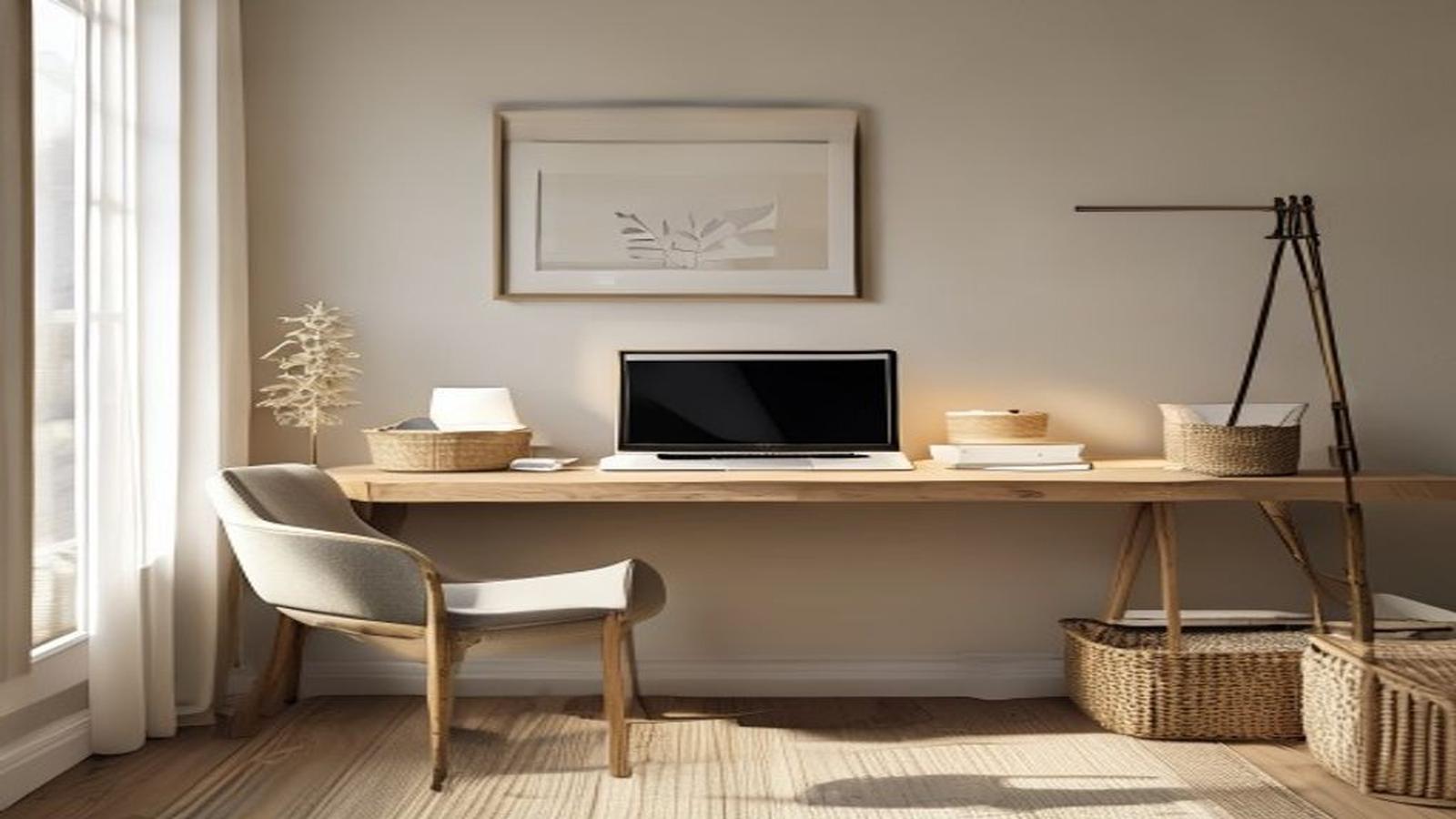
A small home office chair has to do two jobs at once: support real work and disappear visually when the laptop closes. These are the five chair formats worth checking before you buy.
If your desk sits in a spare room, a dedicated office chair can be simple. If it sits in a bedroom, living room, studio apartment, or hallway corner, the chair has to work harder. It needs to be comfortable enough for focused work, but not so bulky that the whole room starts to look like a temporary office.
Additional Chair Formats
Disclosure: these are site-controlled shopping links. Everyday Edit may earn a commission where affiliate tracking is available, at no extra cost to you.

Low-back task chair
Good for shallow desks where a tall office chair would dominate the room.
Shop via AliExpress
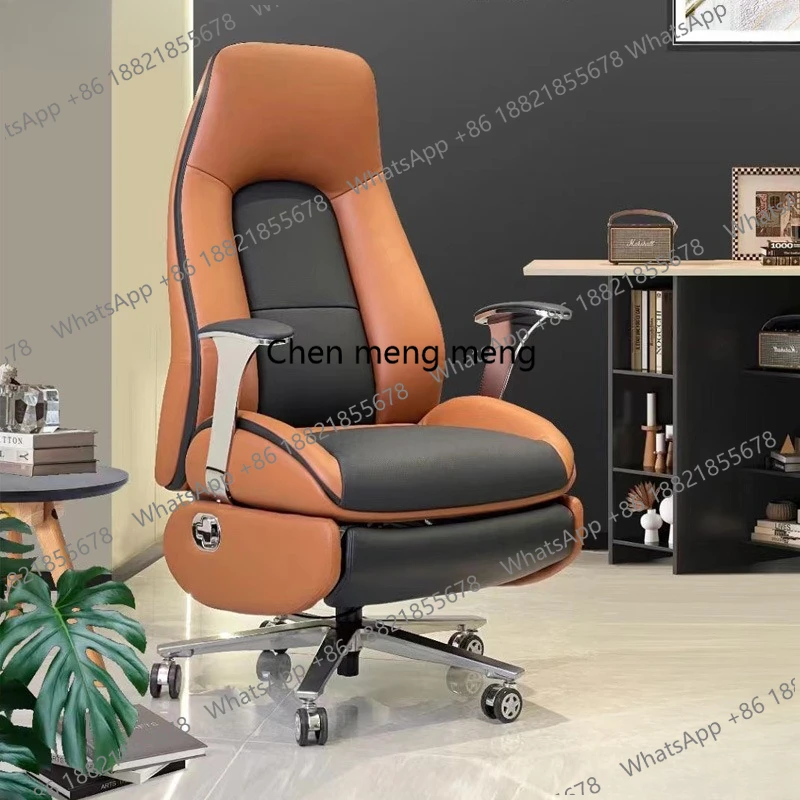
Swivel vanity desk chair
A softer-looking chair for bedrooms, vanities, and visible work corners.
Shop via AliExpress
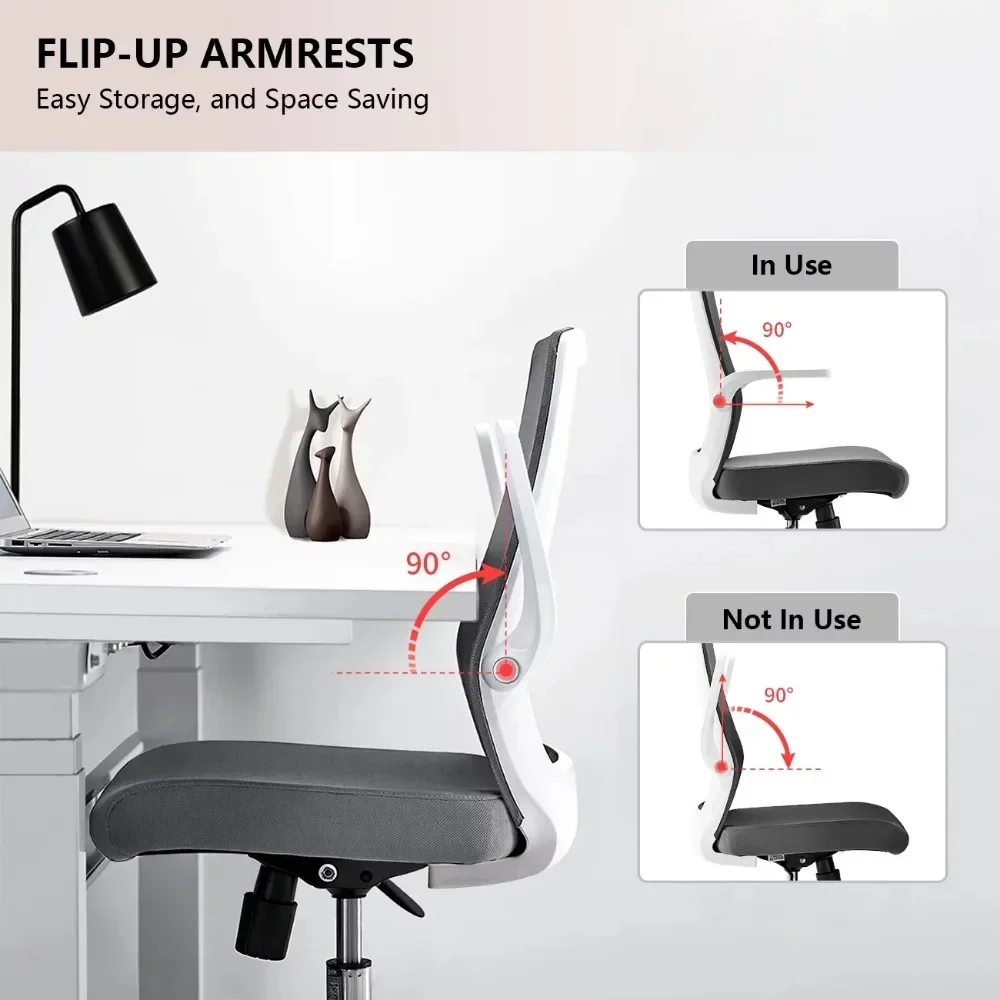
Mesh computer chair
Best if breathability and daylong desk use matter more than decor softness.
Shop via AliExpress
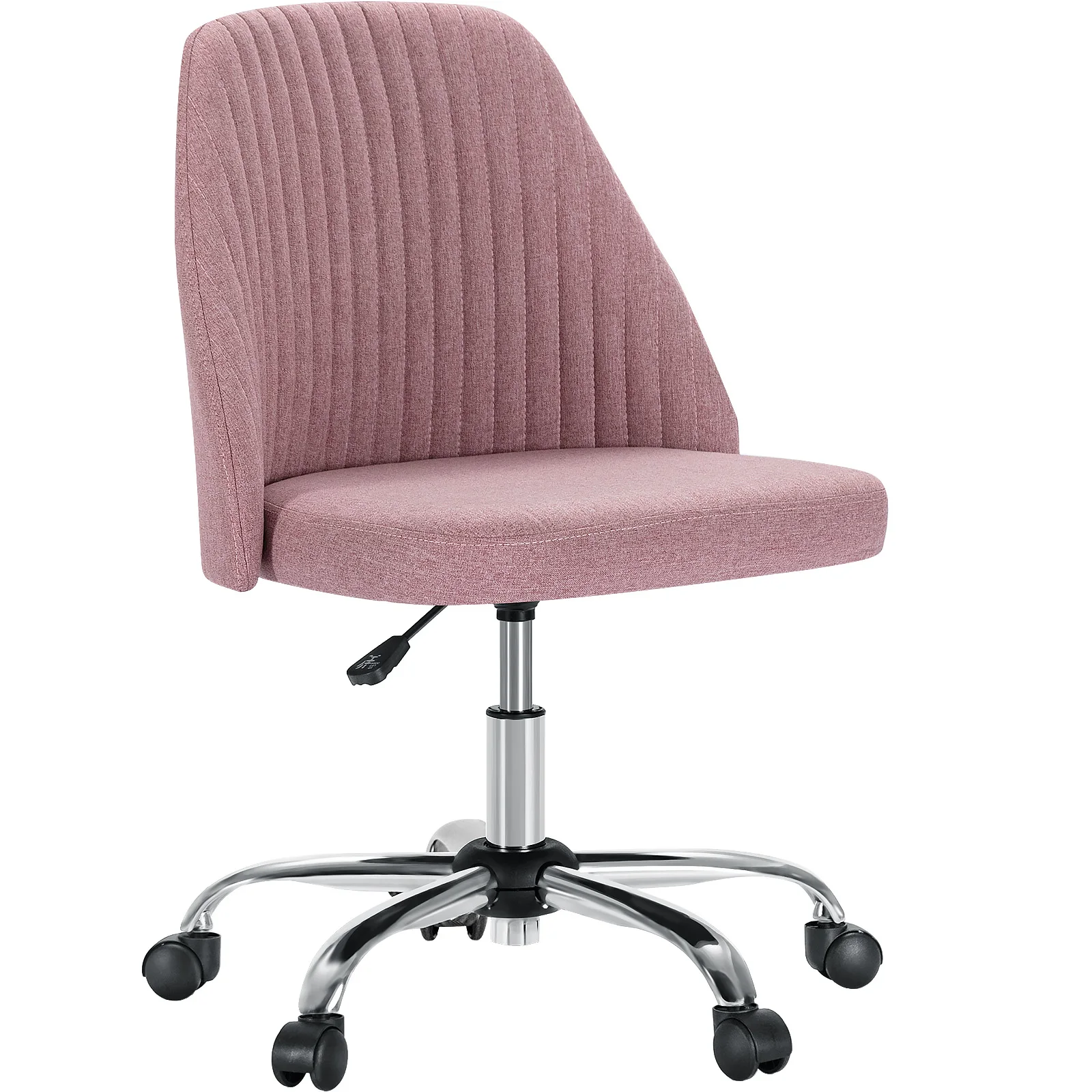
Armless swivel office chair
Useful when armrests keep catching under a narrow desk or table.
Shop via AliExpress
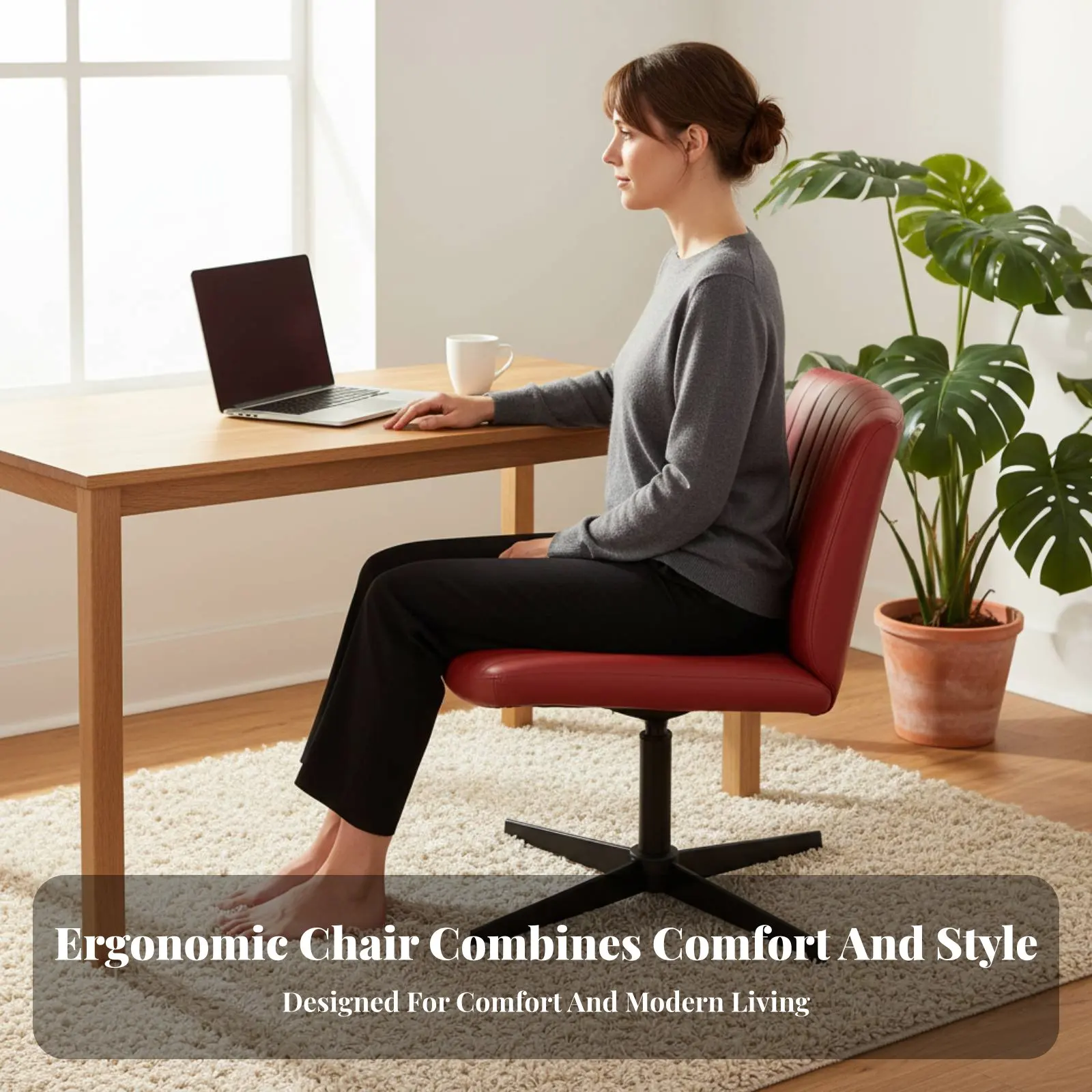
Cross-leg office chair
A wider seat option for readers who sit cross-legged while working.
Shop via AliExpress
The mistake is shopping for the most padded chair first. In a small room, the better starting point is shape: how much visual weight the back has, whether the arms tuck under the desk, how far the wheels project, and whether the upholstery belongs with the rest of the room.
Start With the Footprint
Before choosing a style, measure the actual clearance around the desk. A chair that looks compact online can still feel awkward if the base is too wide or the arms keep hitting the desktop. In a small room, the chair should be able to slide in cleanly when it is not being used.
Look at three measurements first: seat width, overall depth, and desk clearance. If the desk is shallow, a chair with a deep recline or an oversized headrest usually feels too dominant. If the desk is also a vanity or console, an armless or low-back shape usually blends better.
Low-Back Task Chair
A low-back task chair is the easiest format to make look intentional in a visible room. It gives you a real seat, wheels, and some adjustability, but it avoids the tall silhouette that makes a bedroom or living area feel like a corporate cubicle.
Choose this format if you work for a few hours at a time and care as much about the room view as the desk setup. The tradeoff is support: low-back chairs are usually better for lighter work sessions than all-day ergonomic use.
Armless Swivel Office Chair
An armless swivel chair solves one of the most common small-space problems: the chair will not tuck in because the arms keep catching on the desk. Removing the arms also makes the chair visually lighter, especially if the desk is narrow.
This is the format to check if your workspace is a shared surface, a small writing desk, or a bedroom corner. You give up arm support, but you gain flexibility and a cleaner silhouette.
Mesh Computer Chair
A mesh computer chair is less decorative, but it can be the practical choice if you actually sit at the desk for long blocks of time. The mesh back gives airflow, and the structure usually feels more work-ready than a soft vanity chair.
For a small room, avoid exaggerated gaming shapes or huge headrests. A simple mid-back mesh chair with a compact base usually keeps the function without overwhelming the space.
Swivel Vanity Desk Chair
A vanity-style swivel chair works when the chair will always be visible. The softer shape makes more sense near a bedroom desk, dressing table, or living-room work corner where a standard office chair would look too harsh.
The key is not to confuse pretty with practical. Check whether the seat height fits your desk, whether the back gives enough support, and whether the wheels or base make sense for the floor surface.
Cross-Leg Office Chair
A cross-leg office chair has a wider seat and often skips arms, which can be useful if you shift positions while working. It can also look calmer than a tall executive chair because the shape reads more like a lounge seat.
The drawback is footprint. These chairs may look low and soft, but the seat width can be larger than expected. They work best when you have enough side clearance and do not need to roll through a tight walkway.
What to Avoid in a Small Room
Avoid buying only from a front-facing product photo. The side profile matters more in a small room because that is how the chair usually reads from the bed, sofa, or doorway.
Also avoid chairs with oversized headrests, wide fixed arms, very shiny faux leather, or a base that extends far beyond the seat. Those details can be comfortable in a dedicated office, but they make a mixed-use room feel more crowded.
The Best Choice for Most Small Spaces
For most apartments and small rooms, the safest first choice is an armless or low-back task chair. It can tuck under the desk, it does not dominate the room, and it still gives you a real work seat.
If you work all day from the same spot, move toward a compact mesh computer chair instead. If the chair is mostly for short sessions and will live in a bedroom or vanity area, a softer swivel desk chair may be the better visual match.
Related Small-Space Furniture Checks
If this chair is part of a compact living-room work corner, the surrounding pieces matter too. Start with the nearby surface: what size side table works in a small living room is the cleanest companion check. If the desk area also shares space with seating, nesting coffee tables for small spaces can help keep the room flexible instead of crowded.
Quick Buying Checklist
Before buying, check these five things: the chair tucks under the desk, the back height does not block the room view, the base fits the walking path, the upholstery works with the room, and the support level matches how long you actually sit.
A small-space office chair should not be the loudest object in the room. It should make the desk usable, then visually quiet down when the workday ends.