
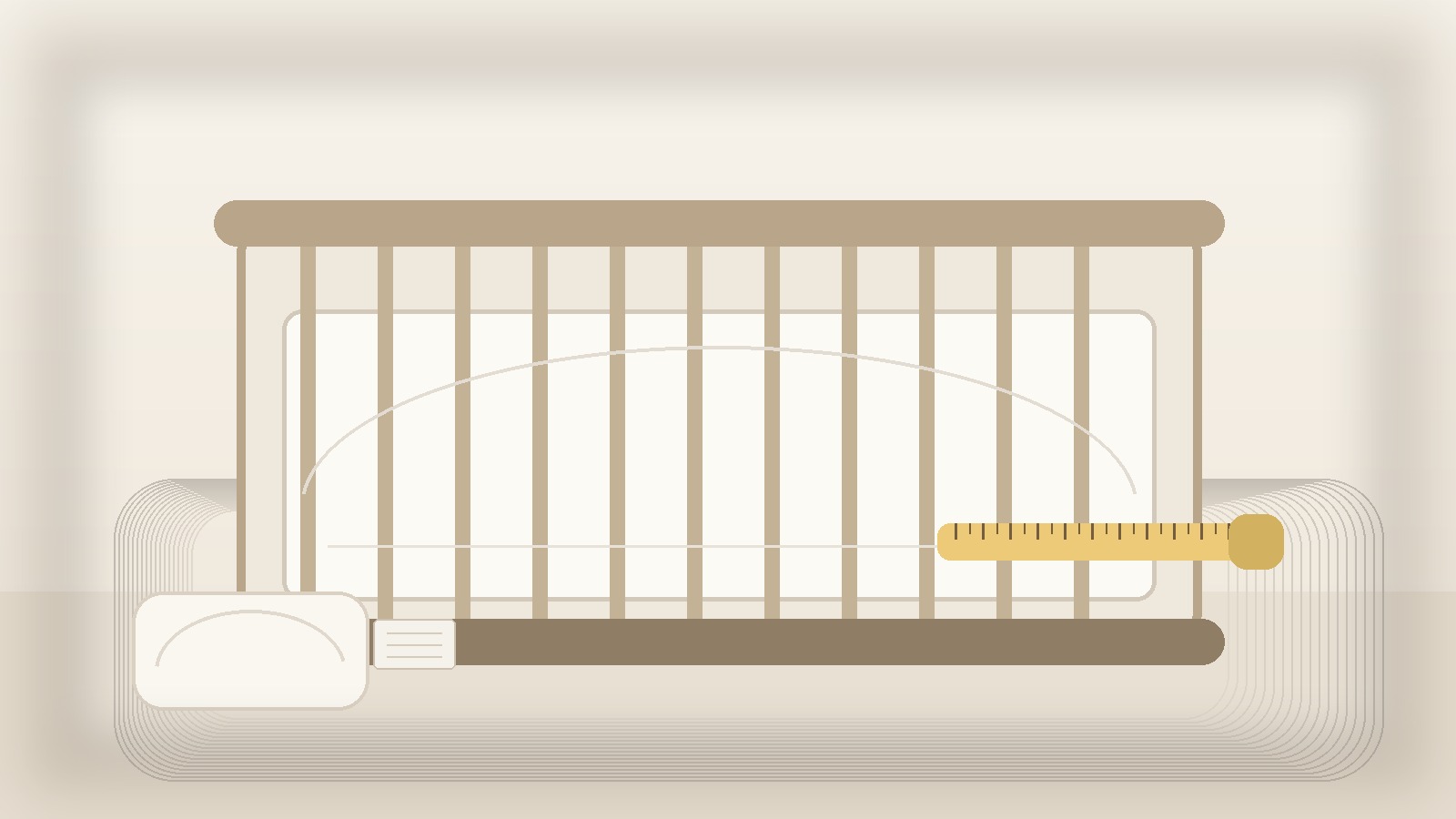
A crib mattress is not the place to shop by aesthetics alone. Start with the exact crib fit, a firm infant-safe surface, clear certification language, and a cover you can realistically keep clean.
Once the crib is chosen, the mattress decision can feel strangely harder. Every listing seems to promise comfort, breathability, waterproofing, organic materials, or long-term value, but the first pass should be much simpler: will it fit the crib correctly, is it firm enough for infant sleep, and are the material claims easy to verify?
Helpful Comparison Shortcuts
Disclosure: these are site-controlled merchant links. Everyday Edit may earn a commission where affiliate tracking is available, at no extra cost to you.
- Compare Greenguard Gold crib mattress options — use this as a starting point, then verify the exact model, size, and label before buying.
- Compare dual-firmness crib mattress options — check that the infant and toddler sides are clearly marked.
- Compare organic crib mattress options — confirm which component is certified and whether the claim applies to the exact listing.
- Compare waterproof crib mattress protector options — make sure any protector is compatible with the mattress and crib instructions.
This guide is not a ranked product roundup. It is a practical checklist for narrowing the field before you compare current listings, labels, and manuals. For infant sleep, always follow current safe-sleep guidance from your pediatrician and public-health sources. A mattress should be firm, flat, correctly sized, and used with a fitted sheet only; it should never be treated as a device that prevents sleep-related hazards.
Start with crib fit, not fabric claims
The most important mattress feature is the one that feels least glamorous: fit. A standard full-size crib mattress is generally designed around a regulated size range, but you still need to confirm the crib manual and the mattress dimensions before buying.
A mattress that leaves a noticeable gap at the edge is not a good match, even if the cover, branding, or material story looks appealing. The goal is a snug fit inside the crib frame so the sleep surface sits flat and stable. If you are using a mini crib, portable crib, or older crib, do not assume a standard mattress will work.
Use the crib manufacturer’s manual as the authority. Then check the mattress listing for length, width, thickness, and compatibility notes. If those details are vague, keep looking.
Firmness matters more than plush comfort
Adults often read comfort as softness. Infant mattresses are different. The infant side should feel firm, flat, and supportive rather than cushiony. A mattress that seems cozy to an adult hand may be too soft for the purpose.
When comparing options, look for language that separates infant firmness from toddler comfort. Some mattresses are single-firmness designs, while others are dual-sided with a firmer infant side and a slightly softer toddler side. Either can work, but the infant sleep surface should be clearly identified and used as directed.
If a listing leans heavily on plushness, pillow-top styling, or vague comfort claims without clear infant-firmness guidance, treat that as a reason to slow down.
Read certifications as clues, not magic shields
Certifications can help you compare material and emissions claims, but they are not a substitute for fit, firmness, correct use, or current safety guidance. The labels most shoppers commonly see include Greenguard Gold, CertiPUR-US, GOTS, and sometimes GOLS.
Greenguard Gold is typically used around lower chemical-emission standards. CertiPUR-US applies to certain foam materials. GOTS is connected to organic textile standards, while GOLS is connected to organic latex. The key is matching the claim to the actual mattress component. A cotton cover, foam core, latex layer, and waterproof barrier can all have different evidence.
Be cautious with vague phrases like natural, non-toxic, eco, or clean if the listing does not explain what is certified and by whom. The strongest product pages make the certification easy to find and tie it to the exact model, not just the brand.
Decide how much waterproofing you actually need
Nursery mess is not hypothetical. Leaks, spit-up, and middle-of-the-night sheet changes are part of the job, so cleanability deserves real weight.
A waterproof cover can make cleanup easier, but it may change the feel and airflow of the sleep surface. A breathable or washable-core design can be appealing, but it is only useful if the washing instructions are realistic for your home. Some families prefer a simpler firm mattress plus a compatible waterproof protector. Others want a cover that zips off and can be washed separately.
Before choosing, read the care instructions. Ask whether the cover is machine washable, whether the core can be rinsed, how long drying takes, and whether the warranty has rules about protectors or cleaning methods.
Be careful with breathability language
Breathability is one of the most common crib-mattress selling points, and it can mean several different things. It might refer to an airy cover, a washable open structure, a ventilated core, or marketing language around temperature and airflow.
The useful question is not whether a listing says breathable. The useful question is what part of the mattress is designed for airflow and whether the brand explains the design in plain, verifiable terms.
Avoid turning breathability into a safety promise. A breathable design can be a comparison factor, but the core safe-sleep basics still matter more: a firm, flat mattress in a correctly assembled crib, with a fitted sheet and no loose bedding.
Think about dual-sided value only if you will use it correctly
Dual-firmness mattresses can be a smart value because they give you a firmer infant side and a toddler side for later. The benefit depends on clear labeling. You should be able to tell which side is intended for infant use and when the brand says it is appropriate to flip.
If the sides are not clearly marked, the instructions are confusing, or the model name varies across retailers, do not rely on the dual-sided promise. Buy for the infant stage first. Toddler convenience is a bonus, not the first priority.
Do not ignore weight and sheet changes
Crib mattresses are not all equally easy to lift. If the mattress is heavy, very rigid, or difficult to grip, changing sheets can become more annoying than expected. That matters when the crib is assembled against a wall or when you are changing bedding half-awake.
Weight should not outrank fit and firmness, but it is a practical tiebreaker. If two mattresses meet your safety and material criteria, the one you can lift and clean more easily may be the one that works better in real life.
When to skip a used crib mattress
A used mattress can look fine from the outside and still have issues: sagging, hidden moisture, unknown cleaning history, missing labels, or a poor fit with the current crib. If you cannot verify the model, age, condition, and care history, it is safer to pass.
Also skip a mattress with soft spots, torn seams, odor, mold concerns, a warped shape, or an uncertain fit. The savings are not worth bringing a questionable sleep surface into the crib.
A simple pre-purchase checklist
Before you compare prices, make sure you can answer these questions:
- Does the mattress match the crib manufacturer’s size and thickness guidance?
- Is the infant sleep surface firm, flat, and clearly identified?
- Are certifications tied to the exact mattress or component, not just broad brand language?
- Can the cover, protector, or surface be cleaned in a way you will actually follow?
- Are waterproofing and breathability explained clearly rather than used as vague promises?
- If it is dual-sided, are the infant and toddler sides labeled and easy to understand?
- Is the mattress easy enough to lift for sheet changes?
- Is the return policy acceptable if the fit is not right?
The bottom line
The best crib mattress for your nursery is the one that fits the crib exactly, keeps the infant sleep surface firm and flat, and makes its material and cleaning claims easy to verify. A beautiful cover or impressive product story can be nice, but it should come after the basics.
Start with fit, firmness, certifications, cleaning, and correct use. Once those are clear, comparing specific listings becomes much less overwhelming.