
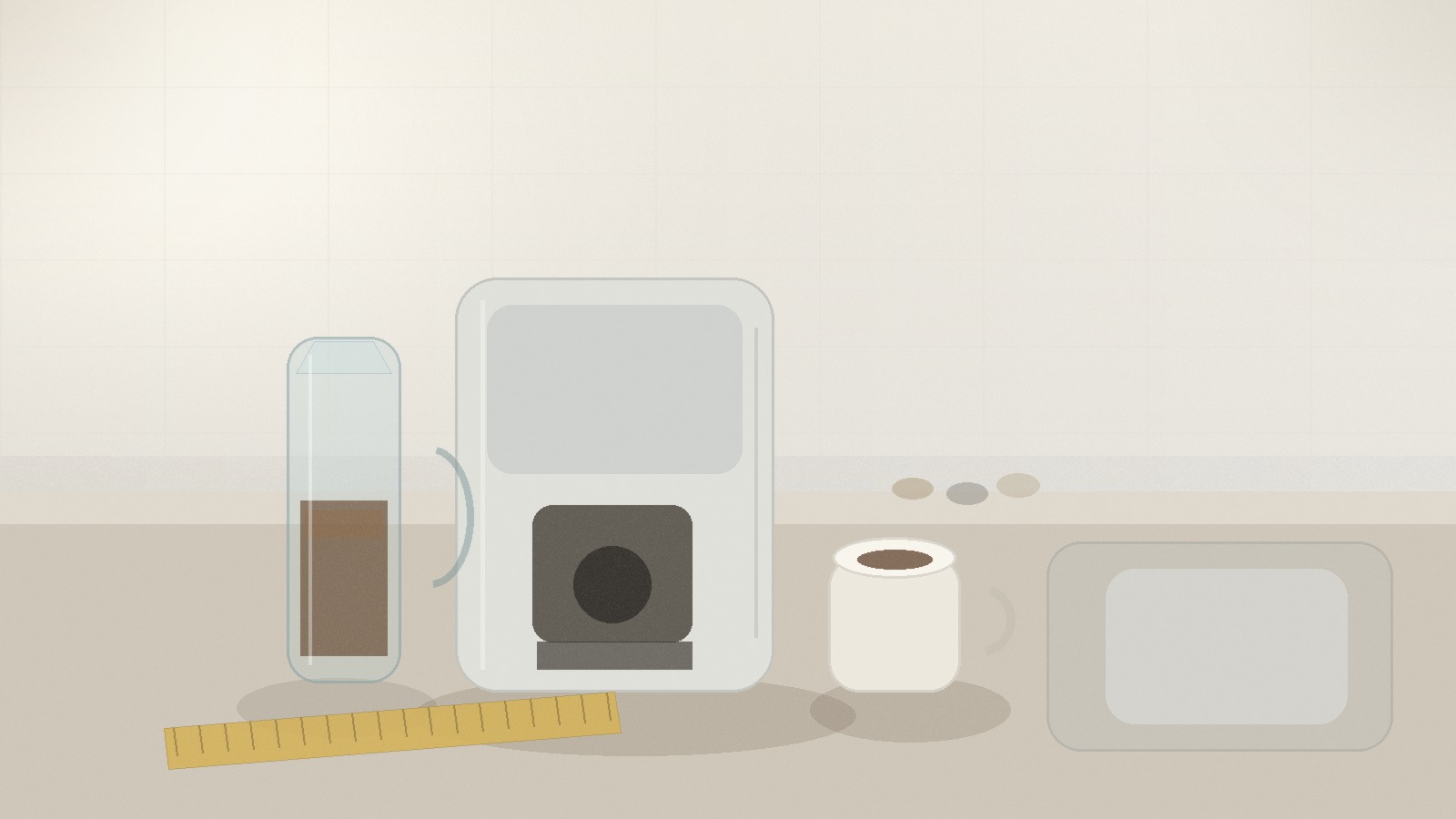
A calm way to decide whether a dedicated cold brew appliance deserves space in your kitchen: measure the footprint, water path, cleanup routine, capsule habit, and backup setup before it lands on the counter.
The appeal of fast cold brew is obvious: less waiting, fewer jars in the fridge, and a drink that feels more deliberate than yesterday’s coffee poured over ice. The less obvious part is whether a dedicated cold brew appliance fits the way your kitchen actually works. A machine can be sleek and still become clutter if it needs a permanent landing zone, extra capsules, a nearby sink path, and a cleanup rhythm you do not want to repeat.
Low-Clutter Cold Brew Routes
Disclosure: Everyday Edit may earn a commission from these sponsored routes, at no extra cost to you.
- See a slow-brew carafe route — the simplest route when time is easier to spare than counter space.
- See a nitro-style route — useful only if texture matters enough to manage extra parts carefully.
- See an airtight pitcher route — a fridge-neatness route for keeping the habit off the counter.
Before adding one, run the counter-space test below. It is not about talking yourself out of a nice appliance. It is about knowing whether the appliance will earn its place after the first week.
Start with the landing zone, not the appliance photo
Measure the counter space you are willing to give up, then add working room around it. A cold drink machine may look narrow from the front, but it still needs space for water access, capsule handling, cup clearance, and the occasional wipe-down. If your counter already has an espresso setup, kettle, toaster, or drying rack, the new appliance has to fit into that real scene, not an empty catalog surface.
A good rule is to identify the exact spot first. If the only possible location blocks a cabinet door, crowds the sink edge, or forces you to move the machine every morning, that is not a landing zone. That is a temporary inconvenience with a power cord.
Check the water path
Cold coffee sounds simple until you trace the water path. Where will you fill the tank? Where will you empty anything that needs rinsing? Can you reach the sink without crossing the kitchen with a drippy part in your hand? If the machine sits far from the sink, the setup needs to be easy enough that you will still clean it on a rushed weekday.
This is where small kitchens get honest. A machine near the sink is easier to maintain, but sink-adjacent space is often the most valuable counter space in the room. If the only available area is across the kitchen, choose only if the cleanup routine still feels reasonable.
Be realistic about the cleanup rhythm
Convenience is not only about brew time. It is also about what happens after the drink is made. If the appliance asks for frequent rinsing, capsule handling, drip-tray attention, or descaling, that routine has to feel easier than your current method. Otherwise the time saved at the beginning gets paid back at the sink.
A practical test: imagine making one drink before leaving the house. Would you rinse the parts right away, leave them for later, or avoid using the machine because cleanup feels like one more thing? The honest answer matters more than the most polished appliance description.
Decide how you feel about capsules and supplies
Some fast cold drink systems depend on proprietary capsules or a narrow ingredient format. That can be convenient, but it also adds cabinet space, restocking, and recurring cost. Before committing, decide where the capsules or supplies would live, how often they need replacing, and whether you are comfortable with that kind of routine.
If you already dislike single-use coffee systems, this friction will not disappear just because the drink is cold. If you like the consistency of a set system, it may be a fair trade. The key is to treat the capsule habit as part of the appliance footprint, not a detail that lives somewhere else.
Separate the drink you want from the machine you want
There are a few different desires hiding inside the phrase cold brew machine. One reader wants cold coffee without waiting overnight. Another wants a smoother texture. Another wants a less messy fridge routine. Another wants a polished appliance that makes summer coffee feel easier.
Those are not identical jobs. A slow-brew carafe can handle the low-effort fridge routine. An airtight pitcher can keep the fridge neater. A nitro-style whipper can speak to texture, though it brings its own parts and safety considerations. A dedicated machine makes sense only if its specific job is the one you will use most.
Use the backup setup test
Ask what you would use if the dedicated appliance disappeared for a week. If the answer is a simple carafe, pitcher, or your existing espresso routine over ice, the machine needs to be meaningfully easier than those fallbacks. If the fallback already works well, a new appliance should solve a daily annoyance, not just add a more elegant object.
This test is especially useful in small kitchens. The right appliance is not the one that looks least intrusive on day one. It is the one that still feels worth its square inches after the novelty settles.
A lower-clutter path can be smarter
If you are not sure yet, start with the lowest-clutter version of the habit. A carafe or pitcher asks for fridge space but not permanent counter space. A nitro-style setup asks for parts and care, but it can live in a cabinet when not in use. These routes will not mimic an instant cold drink machine exactly, and they should not be treated as the same experience. They simply clarify which part of the ritual you actually care about.
If you keep making cold coffee every week and still want the faster appliance, that is useful evidence. If the simpler route already satisfies the habit, you saved the counter from another semi-permanent resident.
The bottom line
A dedicated cold brew machine makes the most sense when you have a clear landing zone, an easy water path, a cleanup rhythm you will actually follow, and a capsule or supply habit that does not annoy you. If any of those pieces feel shaky, pause before giving the appliance permanent space.
The goal is not a kitchen with fewer nice things. It is a kitchen where the nice things pull their weight.