
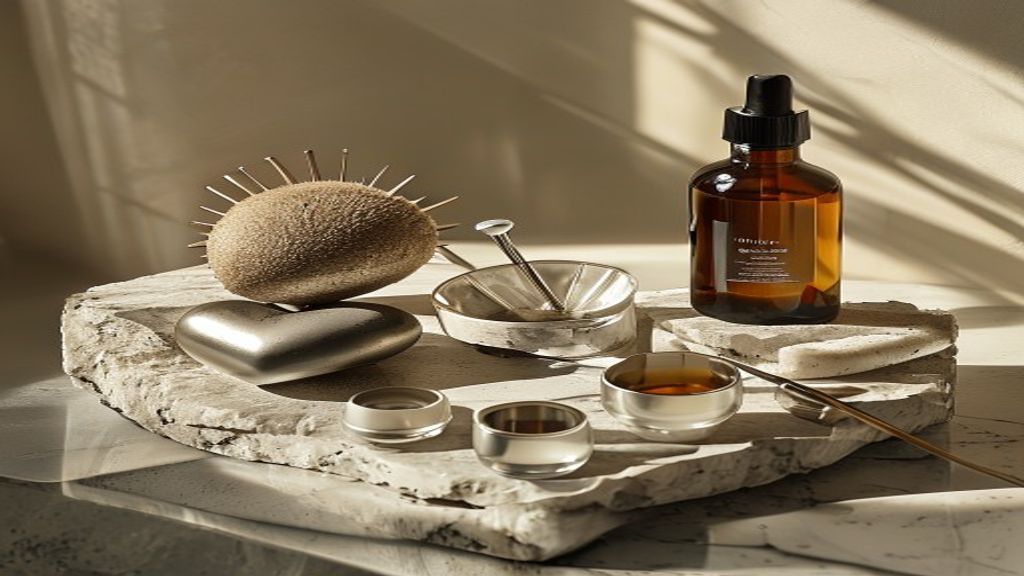
A practical, shopping-led guide to the facial massage tools that help with tension, puffiness, and a more lifted-looking routine at home.
The most useful facial massage routine is not built around one miracle tool. It is built around matching the tool to the job: a firm edge for the jaw, texture for surface stimulation, suction for controlled release, vibration for tense muscles, and a smaller cooling roller for the eye area.
See the picks before you choose
Disclosure: these are site-controlled shopping links. Everyday Edit may earn a commission where affiliate tracking is available, at no extra cost to you.
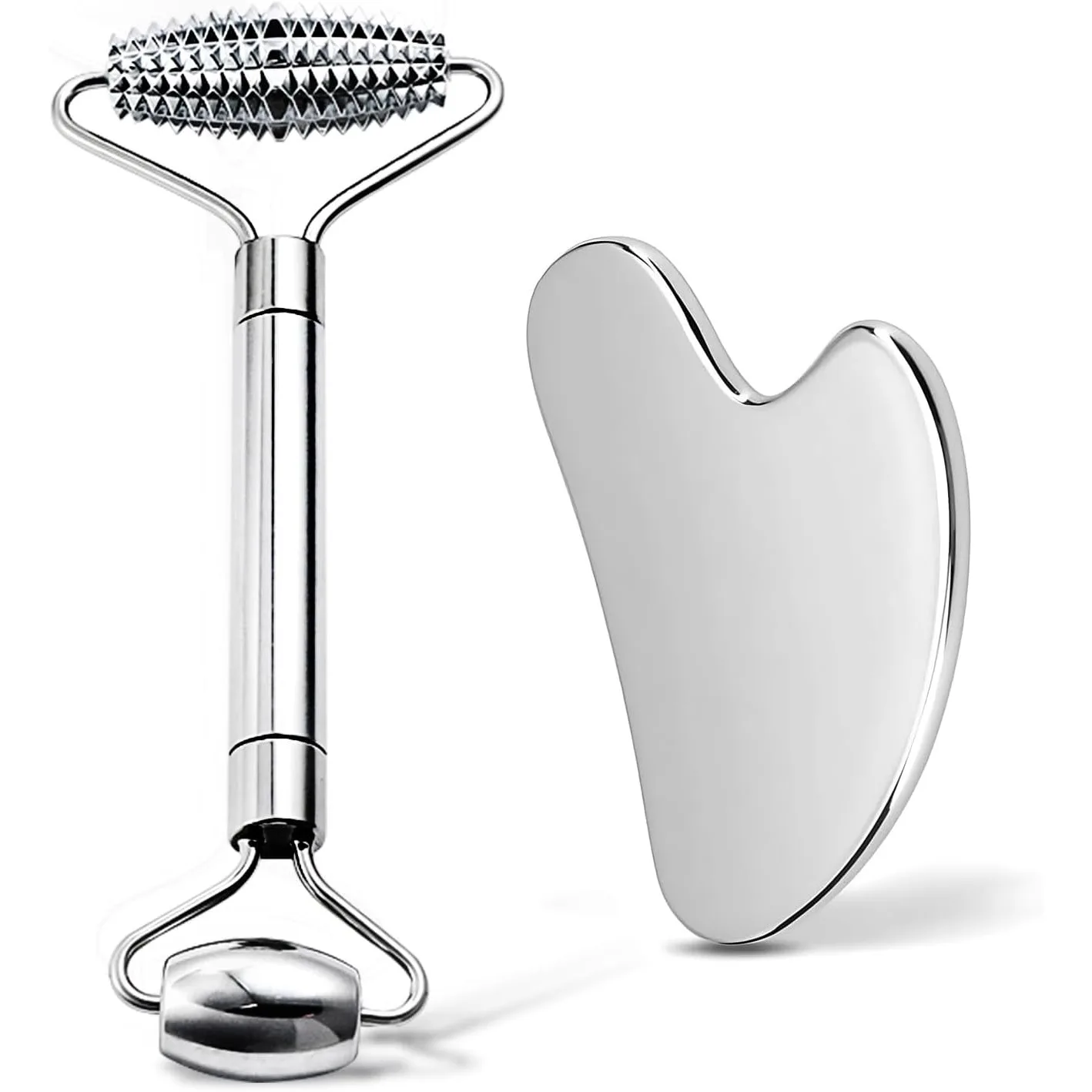
Stainless Steel Gua Sha
Image-backed shortcut for comparing this format before you buy.
Shop via AliExpress
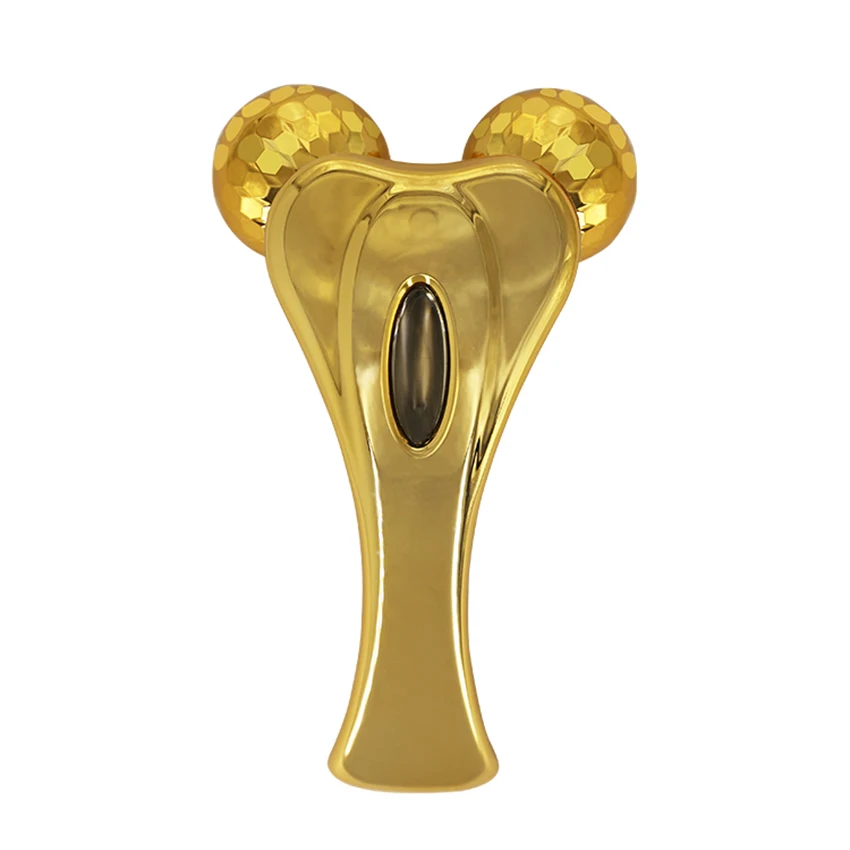
Textured 3D Facial Roller
Image-backed shortcut for comparing this format before you buy.
Shop via AliExpress
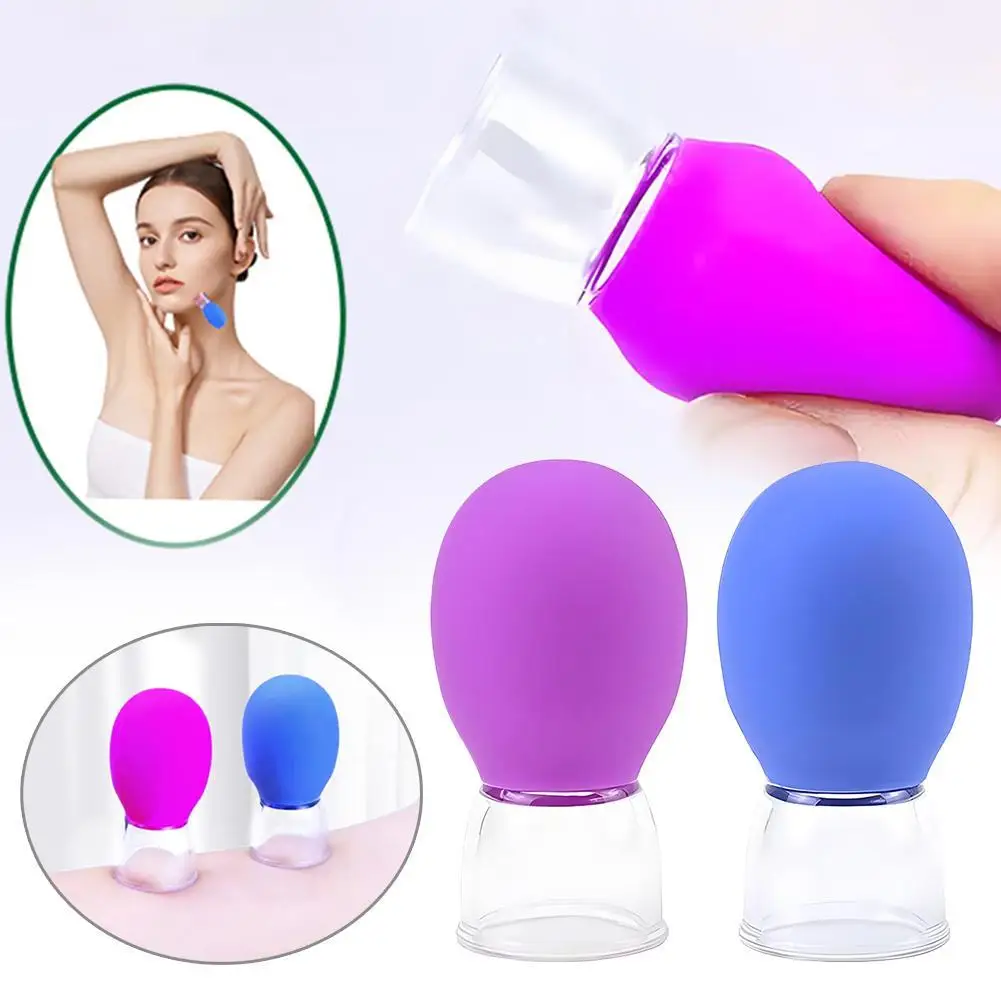
Silicone Facial Cupping Set
Image-backed shortcut for comparing this format before you buy.
Shop via AliExpress
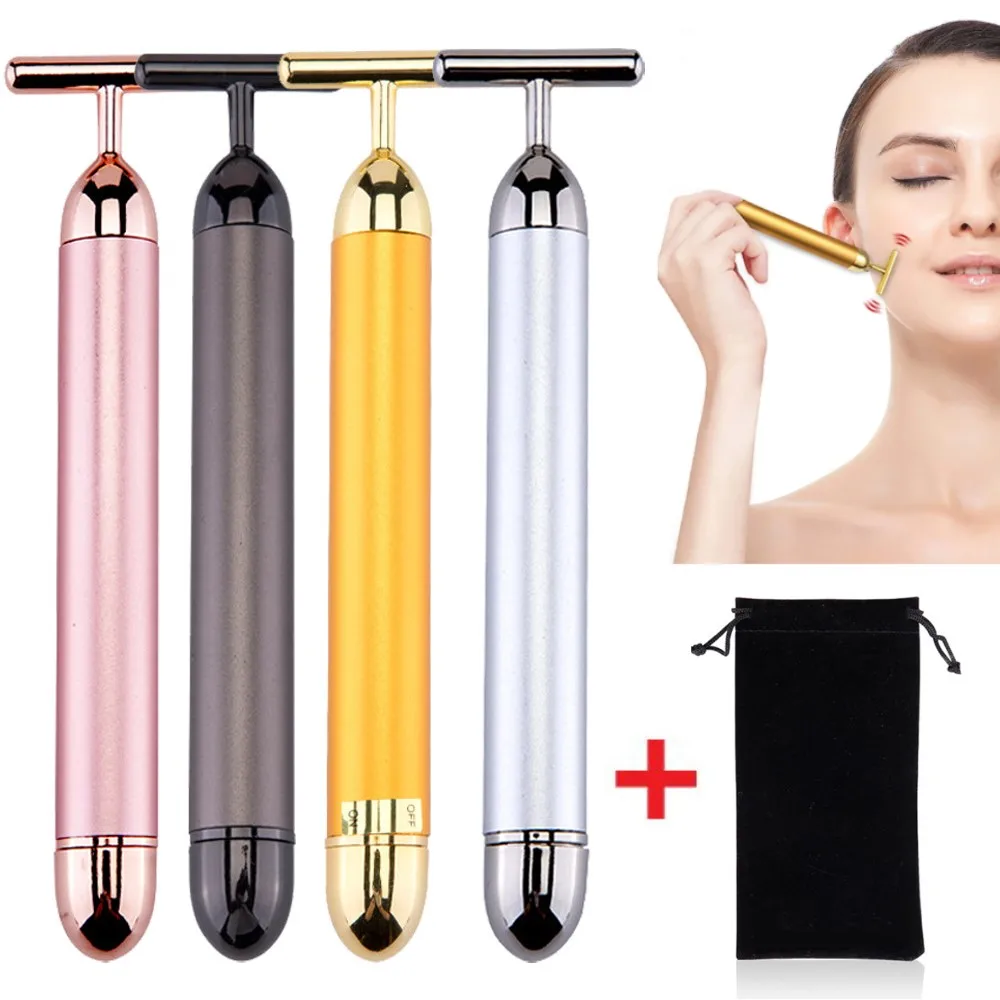
T-Bar Sonic Face Massager
Image-backed shortcut for comparing this format before you buy.
Shop via AliExpress
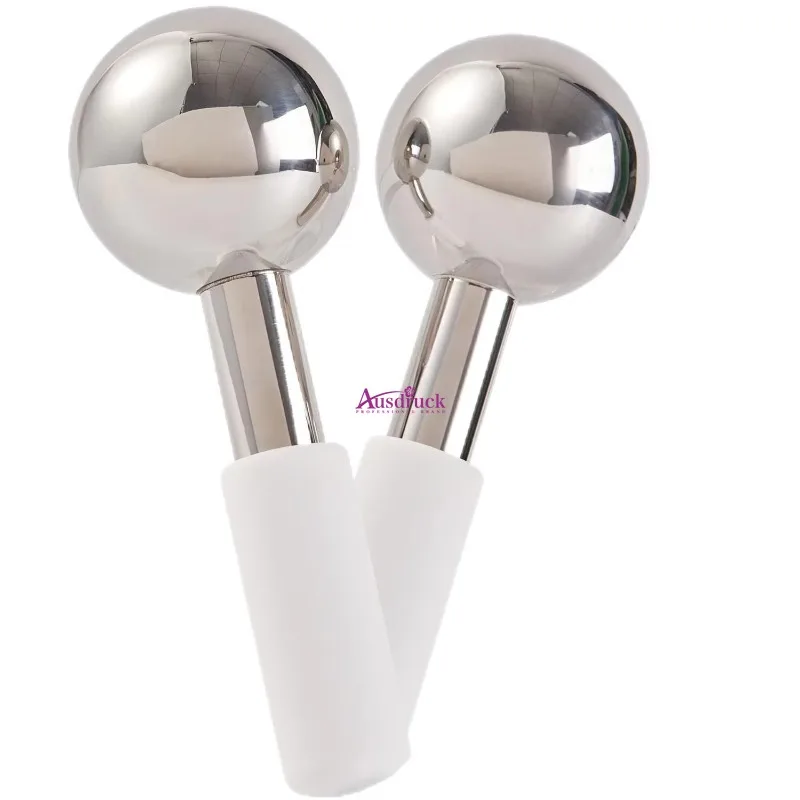
Stainless Steel Cooling Ice Globes
Image-backed shortcut for comparing this format before you buy.
Shop via AliExpress
That distinction matters because “fascia facial massage” is often sold as a vague sculpting promise. In practice, it is a hands-on routine that uses slip, steady pressure, and directional movement to help reduce puffiness, relax tight-feeling muscles, and make the face look temporarily more awake. It is not a substitute for professional treatment, and it should not be done over irritated skin, broken skin, active inflamed acne, rosacea flares, or immediately after cosmetic procedures unless a professional clears it.
Tool Kit at a Glance
Stainless steel gua sha: best for jawline pressure, brow tension, and a cleaner sculpting pass.
Textured facial massage roller: best for cheeks, forehead tension, and readers who want a less technical tool.
Silicone facial cupping set: best for careful, oil-supported glide work on the neck and lower face.
T-bar sonic face massager: best for vibration-assisted relaxation when manual pressure feels awkward.
Cooling eye roller: best for under-eye puffiness and lighter work around the orbital bone.
1. Stainless Steel Gua Sha
Best for: jawline definition, brow tension, and readers who want the most controlled pressure.
A stainless steel gua sha is the strongest first buy because it gives more mechanical feedback than a standard jade or rose-quartz tool. The weight helps the tool glide with steady pressure, while the cool surface feels especially useful around morning puffiness. For fascia work, look for a smooth facial shape with a curved edge for the cheek, a notched edge for the jawline, and no sharp corners.
What to avoid: body-scraping tools, rough edges, novelty shapes that do not sit flat against the face, and anything that requires you to press hard to feel it working.
How to use it safely: apply facial oil or balm first, hold the tool almost flat against the skin, and move slowly from the center of the face outward. The goal is a light flush, not redness that lasts.
2. Textured Facial Massage Roller
Best for: cheeks, forehead tension, and an easy daily reset.
A textured facial roller is different from a smooth jade roller. The small rounded nubs give the skin a kneading sensation, which can make it easier to work across areas that feel tight from expression or stress. It is also the least intimidating tool in the set because the motion is simple: roll up and out, then slow down where the tissue feels tense.
What to avoid: sharp needle-style rollers, body acupressure rollers, scalp tools, or anything that feels prickly instead of softly textured.
How to use it safely: use very light pressure around the brow and temples, and avoid rolling repeatedly over active breakouts or inflamed skin.
3. Silicone Facial Cupping Set
Best for: lower-face puffiness, neck work, and readers who already understand basic massage technique.
Facial cupping uses gentle suction instead of downward pressure. That can be useful for moving fluid and creating a temporary plumped look, but it is also the tool most likely to cause bruising if used badly. Choose small, soft silicone cups designed for the face, not large body cups.
What to avoid: aggressive suction, dry skin, large cups, and pausing the cup in one place.
How to use it safely: use plenty of slip, squeeze lightly, place the cup on the skin, and keep it moving at all times. If you are prone to broken capillaries or bruising, skip this tool.
4. T-Bar Sonic Face Massager
Best for: tense jaw muscles, nasolabial-fold massage, and readers who prefer vibration over scraping.
A T-bar sonic massager uses vibration to make the routine feel less effortful. It is not magic, but it can help relax areas where you tend to clench, especially around the jaw and mouth. The flat T-shaped head is easy to angle upward along the cheek and jawline.
What to avoid: devices with exaggerated medical claims, harsh metal seams, weak battery compartments, or instructions that suggest using the tool on irritated skin.
How to use it safely: use it over oil or serum, keep the pressure light, and avoid lingering over one spot for too long.
5. Cooling Eye Roller
Best for: under-eye puffiness, brow-bone massage, and delicate morning work.
The eye area needs a smaller and lighter tool than the rest of the face. A cooling eye roller, especially one with a smooth metal orb or compact roller head, lets you move from the inner corner toward the temple without dragging the skin. It is more about drainage and comfort than deep fascia work.
What to avoid: oversized rollers, rough seams, heavy gua sha pressure under the eyes, and any tool that pulls at the lower lid.
How to use it safely: work around the orbital bone rather than directly on the soft under-eye tissue, and stop if the skin feels tender.
How to Use the Tools: A 5-Step Routine
Before you begin, apply a facial oil, balm, or rich cream so the tool glides. Dry massage creates drag, and drag is the fastest way to make a good tool work against you.
Step 1: Open the neck. Use light strokes from behind the ear down toward the collarbone. This gives the rest of the routine a better starting point and keeps the movement from feeling congested.
Step 2: Work the jawline. Use the notched edge of the gua sha or the T-bar massager from the chin toward the ear. Pause gently near the ear, then sweep down the neck.
Step 3: Lift through the cheeks. Use the flat side of the gua sha or a textured roller from the side of the nose toward the temple. Move slowly rather than pressing harder.
Step 4: Release the brow. Use a small curve, roller, or cooling eye tool along the brow bone from the inner brow outward. Keep this lighter than the jaw or cheek work.
Step 5: Finish the forehead. Move upward from the brows to the hairline in short vertical passes. This is where a textured roller or T-bar can feel especially good if you hold tension in the forehead.
What Results to Expect
The realistic result is temporary: less morning puffiness, a fresher-looking flush, and a face that feels less tight. A sharper jawline after massage is usually the result of fluid movement and muscle relaxation, not permanent restructuring.
Consistency matters more than intensity. Five minutes a few times a week is better than a long, aggressive session once a month. Clean your tools after every use, store them dry, and treat discomfort as a stop sign rather than proof that the routine is working.
If you already have one tool, start there. If you are building the kit from scratch, buy the stainless steel gua sha first, add the textured roller for easy daily maintenance, and only bring in facial cups once you are comfortable with slip, pressure, and direction.
FAQ
Is stainless steel better than jade for gua sha? For fascia-focused massage, stainless steel is usually more practical because it is non-porous, easy to clean, and naturally cool. Jade and rose quartz can still feel nice, but the material is less important than a smooth shape and controlled pressure.
How often should you do fascia facial massage? Two to four short sessions per week is enough for most routines. Daily aggressive work is unnecessary and can irritate the skin.
Can facial cupping cause bruising? Yes. Facial cupping can bruise if the suction is too strong, the cup is left in one place, or the skin does not have enough slip. Keep it moving and skip it if your skin bruises easily.
Do you need all five tools? No. A gua sha plus one easy daily tool is enough for most people. The full kit is useful if you want different pressure levels for the jaw, cheeks, eyes, and neck.