
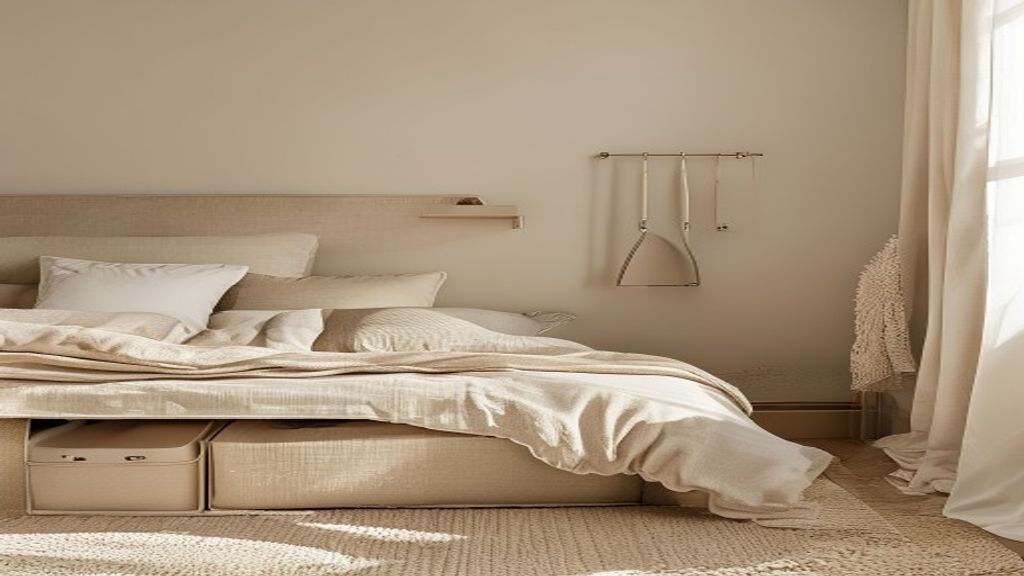
A practical small-bedroom storage plan built around under-bed space, drawer dividers, door storage, and low-commitment organizers you can add without renovating.
Small bedrooms usually do not fail because they lack one dramatic built-in cabinet. They fail because five everyday categories have no assigned place: off-season clothes, spare bedding, small accessories, bedside clutter, and the pieces you wear or use tomorrow. Once those categories start floating around the room, even a nicely decorated bedroom begins to feel visually noisy.
Bedroom Storage Shortcuts
Disclosure: these are site-controlled shopping links. Everyday Edit may earn a commission where affiliate tracking is available, at no extra cost to you.
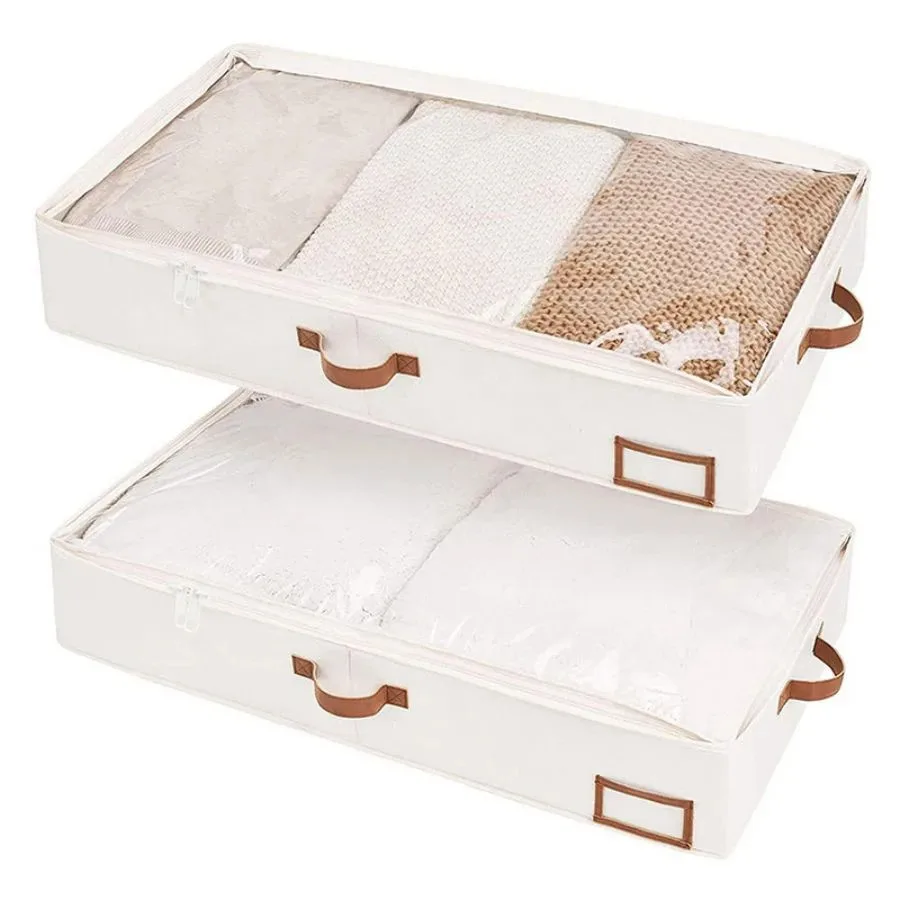
Under-Bed Storage Bags
Best for off-season clothes, spare bedding, and bulky sweaters without adding visible furniture.
Shop via AliExpress
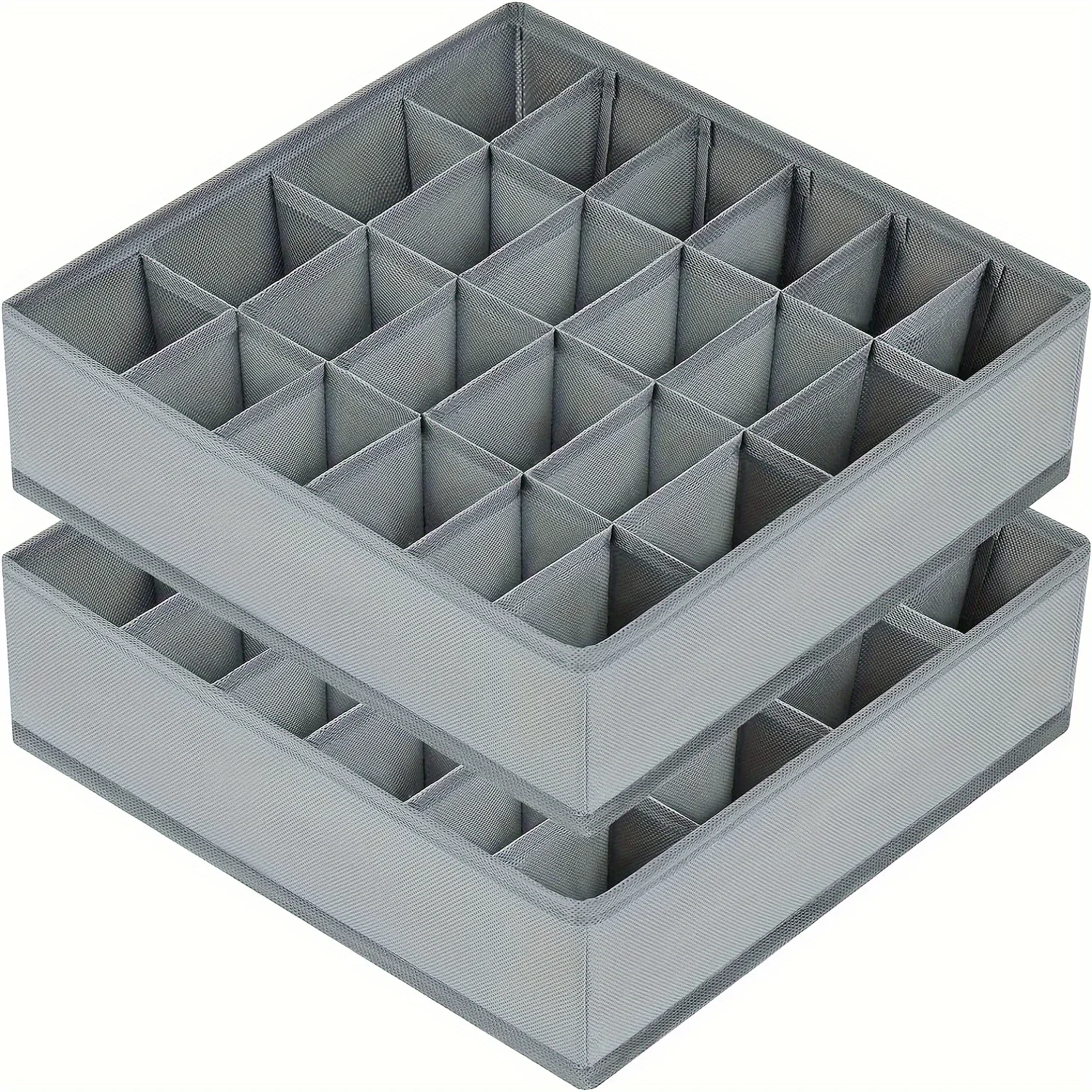
Drawer Organizer Bins
Use these inside dresser drawers so small items stop becoming a flat pile.
Shop via AliExpress
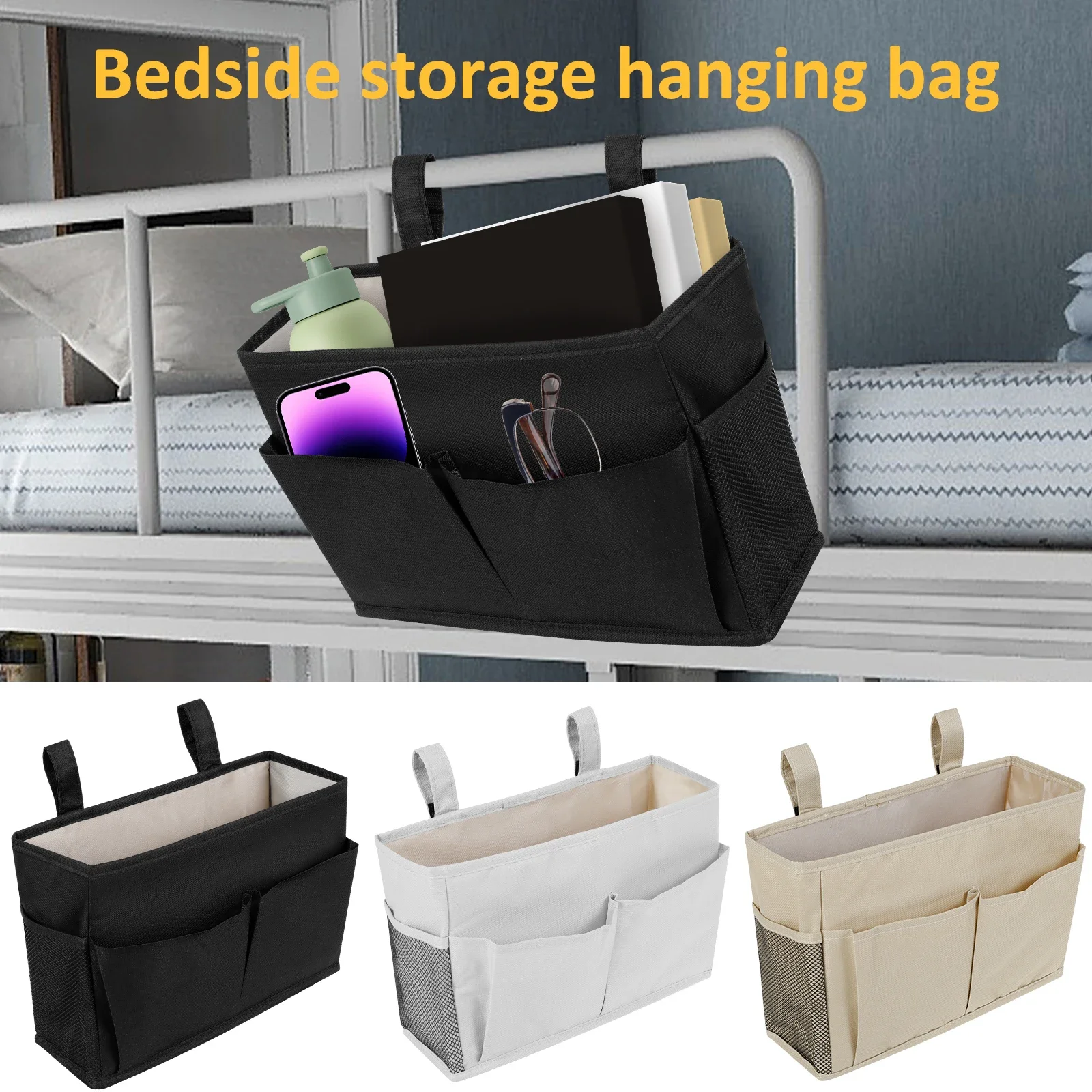
Bedside Hanging Caddy
Useful when there is no room for a full nightstand or second side table.
Shop via AliExpress
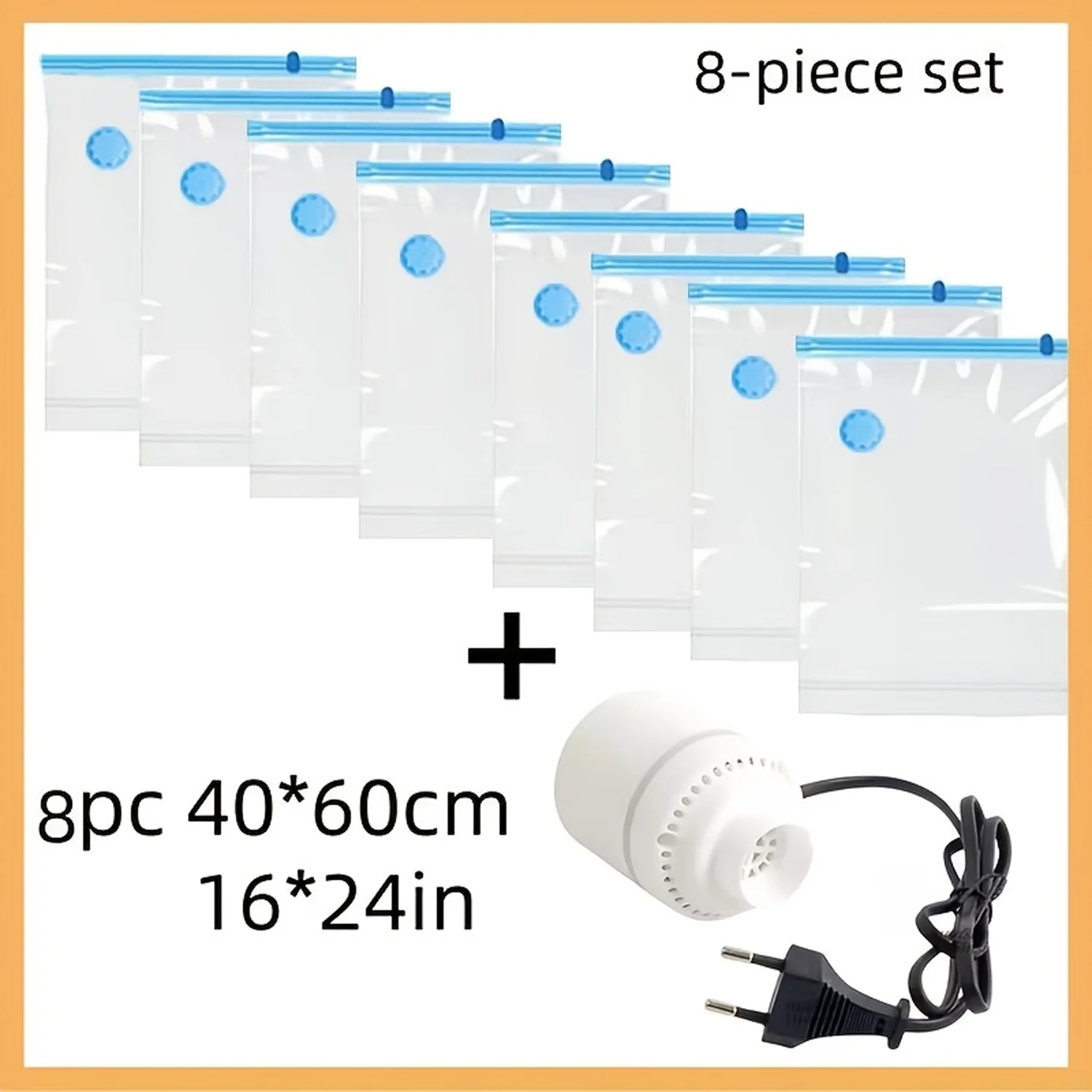
Vacuum Storage Bags
Compress extra bedding and seasonal textiles before they go under the bed or on a closet shelf.
Shop via AliExpress
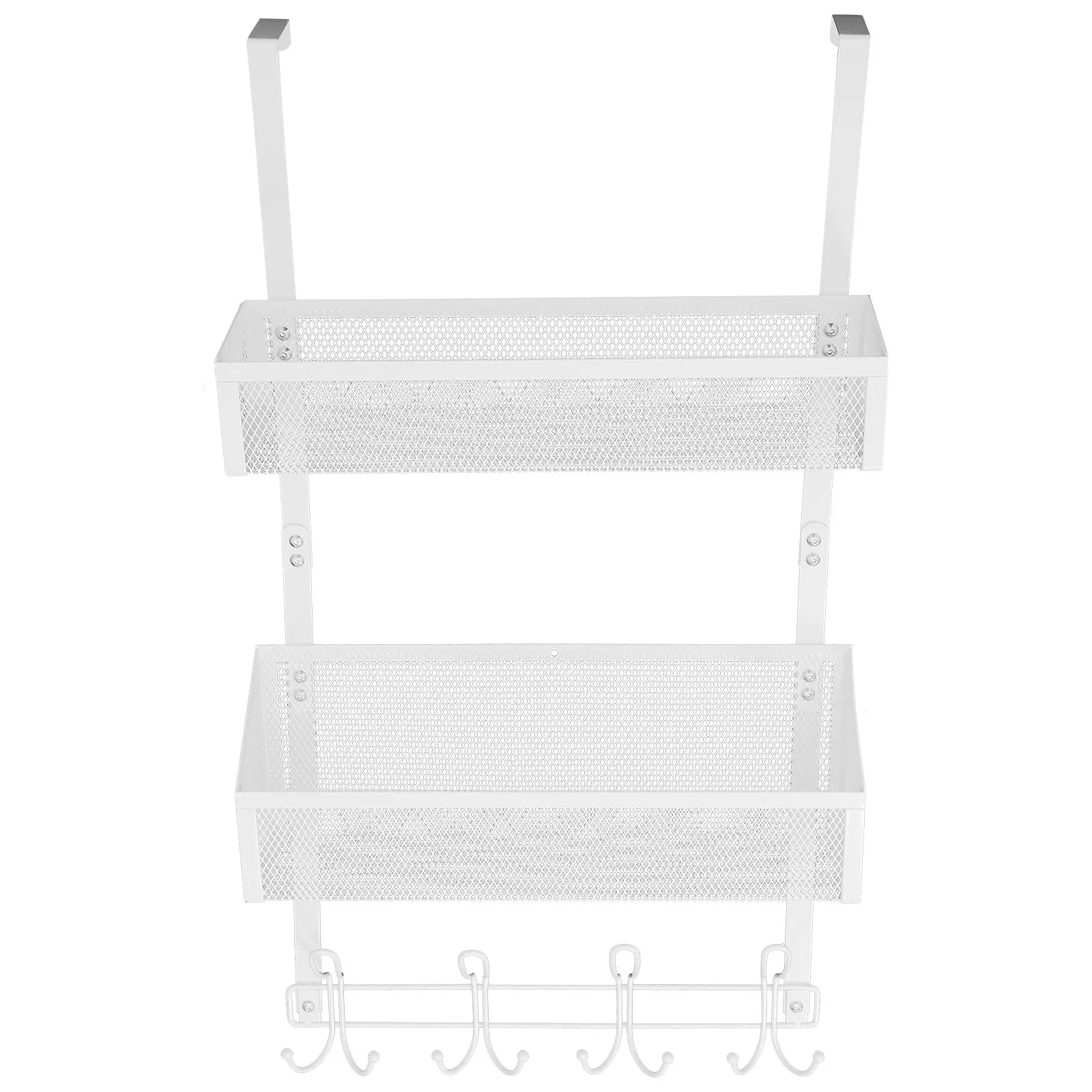
Over-Door Hook Rack
Turns the back of a door into vertical storage for robes, totes, belts, or tomorrow's outfit.
Shop via AliExpress
The fix is not necessarily more furniture. In a small room, every new cabinet, bench, or bookcase also consumes floor space. The better first move is to use the dead zones you already have: the shallow space under the bed, the inside of drawers, the back of the door, and the narrow area beside the bed. These seven storage ideas are intentionally low-commitment, renter-friendly, and easy to test before you buy anything larger.
1. Turn the under-bed gap into seasonal storage
The space under the bed is the most useful hidden storage zone in a small bedroom, but it only works when the container is shallow, easy to pull, and clearly assigned to one category. Use it for items you do not need every morning: off-season knits, spare sheets, extra pillowcases, guest bedding, or bulky sweatshirts.
Avoid turning the under-bed zone into a miscellaneous drawer. If the bag holds bedding, keep it bedding-only. If it holds winter clothes, keep a second bag for summer items. Clear-window or labeled bags are worth prioritizing because they stop you from opening three containers to find one duvet cover.
Best buy lane: under-bed storage bags with handles, a zipper, and a low enough profile to slide without catching on the frame.
2. Compress bulky bedding before it goes into storage
If your room has no linen closet, bedding can eat the whole bedroom. Vacuum storage bags are useful for the pieces that do not need to stay perfectly crisp: extra comforters, seasonal blankets, guest pillows, and winter throws. They are not ideal for pieces you reach for weekly, but they are excellent for reducing the footprint of things you only pull out a few times a year.
The key is to store compressed items somewhere protected rather than leaving them in a visible stack. Slide them under the bed, place them on a high closet shelf, or tuck them into a storage bench if you already own one. Compression solves volume, not visual clutter, so the second step still matters.
Best buy lane: vacuum storage bags sized for bedding, not tiny travel pouches.
3. Divide dresser drawers before buying another dresser
A messy dresser often looks like a capacity problem, but it is usually a category problem. Socks, underwear, camisoles, belts, and gym pieces flatten into one layer and become impossible to scan. Drawer organizer bins create vertical walls inside the drawer, which makes the same drawer feel easier to use.
Start with the top drawer because that is where small pieces usually disappear. Give each category a fixed lane, then fold or roll items so you can see them from above. If the system does not make laundry easier to put away, it is too fussy.
Best buy lane: fabric drawer organizer bins or compartment boxes that can collapse when not in use.
4. Replace the second nightstand with a bedside caddy
Many small bedrooms can fit one proper nightstand, not two. A bedside hanging caddy solves the second-side problem without adding another table. It is especially useful for a phone charger, book, reading glasses, lip balm, remote, notebook, or sleep mask.
This works best when the caddy is treated as a small landing zone, not a full junk drawer. If it bulges, it will make the bed look messy. Keep it to the few things you use from bed and move everything else to a drawer or tray.
Best buy lane: a soft hanging bedside caddy with slim pockets and enough structure to stay upright.
5. Use the back of the door for repeat-use pieces
The back of the bedroom or closet door is valuable because it holds the things you use repeatedly but do not want on a chair. A simple over-door hook rack can handle robes, tote bags, belts, tomorrow’s outfit, a steamer pouch, or the hoodie you keep grabbing.
The rule is restraint. Door hooks become ugly fast when they hold every bag you own. Use them for rotation storage, not archive storage. If you have more than five or six items hanging there, edit the rack before buying a bigger one.
Best buy lane: an over-door hook rack with rounded hooks so straps and knits do not snag.
6. Add one visible tray for the things that always land on furniture
Not every storage solution should be hidden. A small tray on the dresser, nightstand, or shelf can make daily clutter look intentional: jewelry, watch, hair clip, hand cream, fragrance, or wallet. The point is to define a boundary. Once the tray is full, something has to leave.
Choose a tray that is large enough for your real routine but not so large that it becomes a dumping zone. This is the easiest fix for the chair-pile effect because it gives small objects a place to land before they become room-wide clutter.
Best buy lane: a shallow dresser tray, catchall dish, or low basket that fits your actual daily items.
7. Leave one empty zone on purpose
The most underrated bedroom storage idea is not buying anything. Leave one small area intentionally empty: the top of the dresser, a third of the closet shelf, or the corner beside the hamper. Small bedrooms need breathing room because every surface is visible at once.
If every container is packed and every hook is full, the room has no buffer for laundry day, packing, returns, or seasonal swaps. A little empty space is what keeps the system from breaking the first time real life happens.
What to buy first if the room is already cluttered
Do not buy all seven fixes at once. Start with the category causing the most visible mess.
- If bedding is the problem, start with under-bed bags and vacuum storage bags.
- If the dresser is chaotic, start with drawer organizer bins.
- If the nightstand area is overloaded, start with a bedside caddy and a small tray.
- If clothes keep landing on a chair, start with an over-door hook rack and a stricter laundry routine.
A small bedroom feels calmer when storage is boring, repeatable, and assigned to specific jobs. The goal is not to hide everything you own. The goal is to make the most common messes easier to put away than to ignore.